

Spaces That Work
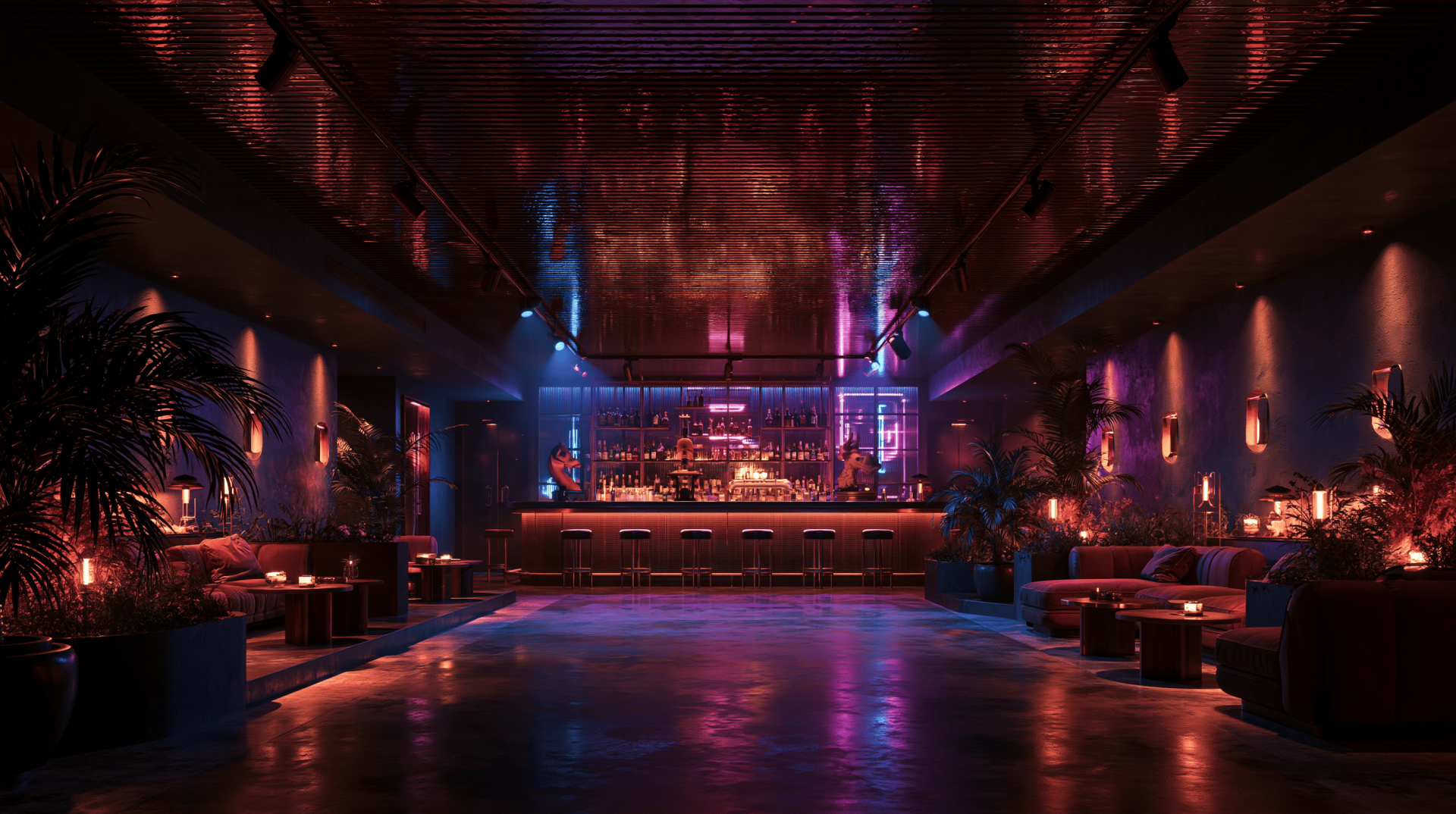
Two nightclubs can occupy similar spaces, have comparable budgets and offer the same opening hours, yet create completely different experiences. One feels crowded in all the wrong places, while another allows guests to move naturally between the bar, dancefloor and seating areas. One attracts a loyal audience, while the other struggles to establish a clear identity. The difference is not always the music, the drinks or the amount spent on the interior. Very often, it begins with how well the owners understand their customers and how thoughtfully the space has been planned.
Nightclub interior design is a particularly interesting area of hospitality design because it brings together entertainment, atmosphere, human behaviour and commercial considerations. Unlike a restaurant, where guests generally spend much of their visit seated, a nightclub is constantly changing. People arrive, gather at the bar, move towards the music, meet friends, find somewhere to sit and return to the dancefloor. A successful layout needs to accommodate all these activities without making the venue feel fragmented or overcrowded.
In the UK, nightlife is also far from a single market. A student nightclub in Aberdeen may have very different priorities from a premium late-night venue in Edinburgh or a destination club in London. For me, the starting point for any nightclub project is therefore not the choice of furniture or lighting. It is understanding who the venue is intended for and what kind of evening those customers want to experience.

One of the biggest mistakes in nightclub design is trying to appeal to everyone. A venue aimed primarily at students is likely to have different priorities from a sophisticated cocktail-led club attracting professionals and more established customers. Music, drinks pricing, service style, seating requirements and even the way people use the dancefloor will influence the design. There is no reason why both concepts cannot be successful, but they should not be approached in the same way.
In university cities such as Aberdeen, Glasgow and Edinburgh, student nightlife is an important part of the local hospitality scene. These venues often depend on energetic music, affordable drinks, themed events and a lively social atmosphere. Their interiors need to withstand intensive use, with durable finishes, efficient bar service and circulation routes that remain practical when the club is busy. However, I would not suggest that student clubs do not need good design. Quite the opposite. A distinctive interior, imaginative lighting and interesting places to take photographs can help establish a memorable identity without necessarily requiring expensive materials.
At the other end of the market are late-night lounges, premium bar-clubs and venues where guests are looking for a more comfortable evening. They may still want music and dancing, but they also appreciate good cocktails, attractive surroundings, attentive service and somewhere to sit with friends. Here, furniture, lighting and the relationship between different seating areas become particularly important. The interior is not simply a backdrop to the entertainment; it is part of the experience customers are choosing to pay for.
“I would never begin a nightclub project by asking what style is fashionable. I would begin by asking who will actually come here. A student club and a premium late-night lounge may need completely different interiors, but both deserve a memorable atmosphere and a layout that works.”
Yuliya Forrest | Interior Designer
Age alone does not determine these preferences. Someone in their twenties may prefer an intimate cocktail bar, while a guest in their forties may enjoy spending hours on a busy dancefloor. What matters is the occasion, lifestyle and expectations of the audience. A nightclub designed around a clear customer profile will generally have a stronger concept than one attempting to accommodate every possible preference.

Personally, I am particularly drawn to venues that combine the energy of a nightclub with the comfort of a well-designed bar or lounge. I enjoy music and dancing, but I also appreciate having somewhere comfortable to sit, enjoy a drink and talk to friends. As I have become less interested in spending an entire evening in a crowded dancefloor, I have become more interested in places that offer a choice of experiences within the same venue.
From a design perspective, this is an exciting opportunity. A nightclub does not necessarily need to be one large dancefloor surrounded by a few tables. It can have a central area for dancing, comfortable lounge seating, intimate booths and private or semi-private spaces for groups. These areas should feel connected to the atmosphere rather than isolated from it. Guests who prefer to sit should still be able to enjoy the music, see what is happening and feel part of the evening.
I particularly like the idea of VIP areas that offer enough space for a small group to enjoy themselves comfortably. This might include a generous table, sofas, good views towards the dancefloor and perhaps a little additional room for dancing within the group. Such spaces can be attractive for birthdays, celebrations and private bookings. They can also create additional commercial opportunities for the operator, provided the service model and pricing are appropriate for the audience.
The positioning of these areas requires careful consideration. A VIP booth should feel special, but it should not obstruct circulation or make other guests feel that the best parts of the venue are inaccessible. Equally, filling every available corner with tables may increase the number of seats on a floor plan without improving the experience. Good nightclub design is about finding the right balance between atmosphere, comfort and capacity.
“My personal preference is for venues where a group of friends can have a comfortable table, enjoy the music and still dance when they want to. I particularly like VIP booths and lounge areas that feel connected to the dancefloor rather than shut away from it.”
Yuliya Forrest | Interior Designer
Another interesting possibility is a venue that changes character throughout the evening. Earlier on, it may operate primarily as a cocktail bar, with comfortable seating and relatively relaxed lighting. Later, the music becomes more energetic, lighting scenes change and the dancefloor takes on a more prominent role. With the right planning, one interior can support both experiences without requiring a complete physical transformation.
For me, this flexibility is particularly relevant to the future of nightlife. People do not always want to commit to one type of evening. A venue that allows them to enjoy drinks, conversation and dancing in the same place can offer a compelling alternative to the traditional nightclub format.

One of the most important aspects of nightclub interior design is understanding how people move through the space. A club may look impressive in a visualisation, but that does not necessarily mean it will function well on a busy Saturday night. The location of the entrance, cloakroom, bars, dancefloor, seating areas and toilets all affects the way guests experience the venue.
I believe a nightclub should not be designed simply around the maximum number of people who can fit inside. It should be planned around how those people will actually use the space. A narrow route between the bar and dancefloor may become congested, while poorly positioned seating can interrupt movement or leave guests feeling exposed. Equally, a beautifully designed lounge area may remain empty if it feels disconnected from the music and atmosphere.
The bar is particularly important. In many nightclubs, drinks are a major source of revenue, which makes efficient bar design a commercial priority. A dramatic bar counter may create a strong visual impression, but its layout also needs to support staff movement, preparation, storage and service. If customers struggle to reach the bar or regularly face long queues, even an attractive interior can become frustrating.
The requirements will vary depending on the business model. A busy student nightclub may prioritise straightforward service and efficient customer flow, while a premium venue offering an extensive cocktail menu will need more preparation space and a different approach to the bar experience. Larger clubs may benefit from multiple bars positioned to distribute demand across the venue, although this needs to be assessed against staffing, available floor area and operational costs.
The same commercial thinking applies to seating. Private tables and VIP booths may support a premium offering, but they should be positioned according to customer experience rather than simply placed wherever there is space. Good views, comfortable access, appropriate privacy and efficient service all contribute to whether a bookable area feels worth paying for.
“The bar is not simply a beautiful feature in a nightclub. It is one of the places where the business operates most intensively. Its position, service capacity and relationship with the dancefloor deserve as much attention as its appearance.”
Yuliya Forrest | Interior Designer
For owners considering a nightclub refurbishment, reviewing how the existing space operates can be just as valuable as developing a new visual concept. Understanding where customers naturally gather, which areas are underused and where congestion occurs can help identify improvements that are more meaningful than a purely decorative renovation.


Nightclub design in Scotland often involves working with existing buildings rather than starting with a completely empty, purpose-built space. Older commercial properties, basements and converted premises can offer distinctive architectural character, but they may also present challenges involving ceiling heights, structural elements, access, ventilation, acoustics and circulation.
These constraints should be understood before the design concept is developed too far. A dramatic feature ceiling may not be practical if the available height is limited by services. A proposed VIP area may interfere with an important circulation route, while changes to the entrance or internal layout may require further technical consideration. Fire safety, accessibility, licensing conditions and occupancy requirements must also be addressed with the appropriate specialists from the early stages of a project.
For an existing nightclub, I do not believe refurbishment always needs to mean replacing everything. Sometimes the most effective improvements come from reorganising seating, upgrading the bar, introducing a more considered lighting scheme or giving the venue a clearer identity. Retaining useful elements of the existing interior can also allow more of the budget to be directed towards areas that will have the greatest impact on the customer experience.
Budget priorities should follow the target audience and business model. A student nightclub may benefit more from durable finishes, strong lighting and distinctive visual features than from expensive bespoke furniture. A premium bar-club may require greater investment in seating, materials, cocktail service and carefully designed private areas. Neither approach is inherently better. The right decision depends on the type of venue being created.
This is why I consider the earliest planning stage so important. Before discussing decorative finishes, I would want to understand the operator's ambitions, customer profile, capacity, music programme, drinks offer and expected use of the space. These decisions influence almost every aspect of the interior, from the size of the bar to the number and type of seats.

The UK nightlife industry has faced considerable challenges in recent years, including changing customer habits and pressure on operating costs. In this environment, a clear identity and a well-considered customer experience are increasingly important. Interior design cannot replace good management, music, service or marketing, but it can support all of them by creating a space that functions well and feels distinctive.
For me, successful nightclub design is not about creating the most spectacular room or fitting in the maximum number of guests. It is about understanding how people want to spend their evening and creating an environment that makes that experience enjoyable. Some customers want a lively dancefloor and affordable drinks. Others prefer a beautifully designed bar, comfortable seating and the option to dance when they feel like it. A good concept understands these differences rather than trying to satisfy everyone.
“For me, the best nightclub is not necessarily the most expensive or the most spectacular. It is the one that understands its audience, gives people room to enjoy the evening in their own way and makes them want to come back.”
Yuliya Forrest | Interior Designer
I am particularly interested in the possibilities offered by venues that combine several experiences within one thoughtfully planned interior. A nightclub can be energetic without being uncomfortable, sophisticated without being formal and commercially efficient without feeling overcrowded. Achieving that balance requires much more than selecting attractive furniture or dramatic lighting.
At Yuliya Forrest Interior Design, we approach nightclub, bar and hospitality interiors from both a creative and practical perspective. Whether developing a new venue or considering a refurbishment in Aberdeen, elsewhere in Scotland or across the UK, the starting point is always understanding the people who will use the space and the experience the business wants to offer.


A nightclub does not need to attract everyone. It needs to give the right audience a reason to choose it, enjoy it and return.