

Spaces That Work
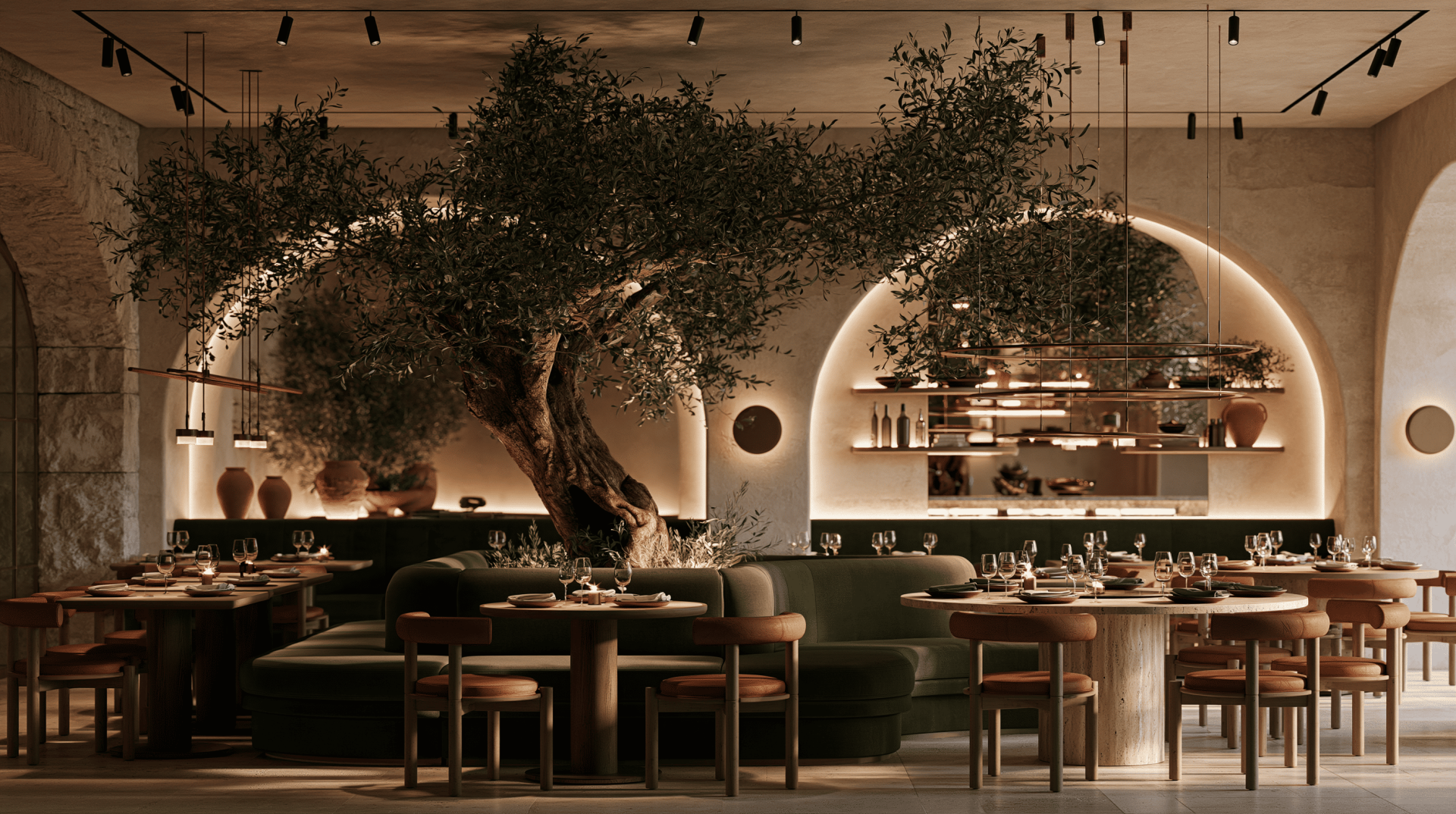
What does an Italian restaurant actually look like? The answer depends on whether you are imagining a family-run trattoria in Tuscany, a contemporary dining room in Milan or a lively pizzeria in Naples. These places share a culinary heritage, but their interiors can tell very different stories. For a restaurant designer, understanding that distinction matters far more than choosing terracotta tiles or rustic furniture.
Italian restaurant interior design is not a single decorative style. It is the process of translating a particular approach to food, service and hospitality into a space that works for its guests and its team. In the UK, where Italian restaurants range from neighbourhood favourites to ambitious destination venues, the strongest concepts have an identity of their own rather than relying on familiar stereotypes.

At Yuliya Forrest Interior Design, we approach hospitality projects through concept development, space planning and detailed interior design. My hospitality design training in Milan, where I learned from Italian designers, strengthened my appreciation for the relationship between culture, restaurant operations and the built environment. It also confirmed that the most important question comes before any discussion of colours or finishes: what kind of Italian restaurant are we actually creating?
“When I begin thinking about an Italian restaurant, I do not start with a mood board full of olive trees and terracotta. I start with the food, the guests and the experience the owner wants people to remember. The interior should grow from that idea.”
A trattoria is traditionally associated with relaxed, often family-oriented dining and regional home-style cooking. An osteria historically had closer links to wine and simple food, although today the name is used by everything from informal neighbourhood venues to highly accomplished contemporary restaurants. Ristorante is a broader term for restaurant and may sometimes suggest a more formal experience. These are useful cultural references, not fixed design categories or reliable indicators of price.
A modern trattoria can be architecturally restrained without losing its warmth. An osteria may be centred on a wine bar and shared plates rather than a rustic dining room. A ristorante might offer an elegant tasting-menu experience or a relaxed à la carte format. The name is only the beginning: menu, service, target audience, location and price positioning need to be considered together.
For an owner developing a restaurant in Aberdeen, Edinburgh, Glasgow or elsewhere in the UK, this distinction is commercially relevant. A venue designed for family celebrations needs a different balance of seating, circulation and acoustics from an intimate date-night restaurant. A lunchtime-led pizzeria has different demands from a destination restaurant where guests expect to spend an entire evening.

Traditional Italian restaurant interiors can be wonderfully inviting when their character comes from materials, proportions and the way a room is used. Timber, natural stone, textured plaster, handmade ceramics and warm lighting may all be appropriate, but they should support the concept rather than act as shorthand for “Italian”. An interior crowded with artificial vines, distressed props and generic wall murals can feel less authentic than a simple room with well-considered furniture and good lighting.
The most convincing traditional concepts are often specific. A Tuscan-inspired restaurant might explore muted plaster, robust timber and a sense of domestic warmth. A Venetian influence could be expressed through layered colour, decorative glass and elegant detail. A southern Italian dining concept might introduce handmade ceramics and a lighter, more informal atmosphere. These are design interpretations, not claims that every restaurant in those regions looks the same.
“I love traditional restaurant interiors, but I do not believe that “traditional” means making everything look old. A well-proportioned room, a comfortable chair and a beautifully chosen material can communicate far more than a collection of decorative clichés.”

Regional references offer a richer starting point than the broad label of Italian style. Milan is particularly compelling for contemporary hospitality design: it brings together architecture, furniture, fashion and an established culture of sophisticated interiors. A Milan-inspired restaurant could feature sculptural lighting, elegant timber, carefully controlled colour and furniture chosen for its proportions rather than its ornament.
A Tuscan direction might be warmer and more tactile, drawing on stone, plaster and the relaxed character of a rural dining room. Venice suggests an opportunity to explore historical layering, reflective surfaces, colour and craft. Southern Italian references might lead towards ceramics, lighter palettes and lively social spaces. These directions can also be combined with the architecture of a UK building; they need not become literal reproductions of a restaurant abroad.
The important distinction is between inspiration and imitation. A Scottish granite building, for example, may have a strong identity worth retaining. Its original character can sit beautifully alongside an Italian culinary concept, producing something more memorable than an artificial themed interior.

Italy is internationally associated with exceptional contemporary design, not just rustic hospitality. Its furniture, lighting and architectural traditions offer many possibilities for restaurants with a modern identity. Contemporary Italian restaurant design might involve restrained stone surfaces, rich timber, tactile upholstery, precise detailing and dramatic but carefully controlled lighting. Equally, it may be playful, colourful or deliberately informal.
During my hospitality design training in Milan, I studied with Italian designers who considered the restaurant as a complete guest experience. That way of thinking continues to influence my work. A concept should connect the food, the interior, the rhythm of service and the way guests move through a venue; otherwise even attractive individual design decisions can feel disconnected.
A sophisticated contemporary concept could take inspiration from the restraint and attention to detail associated with Italian fashion and design, including the aesthetic language often linked to Giorgio Armani. This means interpreting qualities such as proportion, materiality and understated elegance, not copying a branded interior or suggesting a commercial affiliation.
“My time studying hospitality design in Milan taught me to look beyond decoration. I want the entrance, dining room, lighting, furniture and service experience to feel as though they belong to the same story. That coherence is what makes a restaurant convincing.”


Imagine two hypothetical projects. The first is a 45-seat family trattoria serving generous regional dishes. The second is a contemporary Italian restaurant with a cocktail bar, late-evening trade and a more premium price point. Both could be described as Italian restaurants, yet I would approach their interiors very differently.
For the trattoria, I would prioritise adaptable table arrangements, comfortable chairs, durable finishes and warm, flattering light. Families and groups need enough room for shared dishes, drinks and movement around the tables. The acoustic atmosphere should allow conversation even when the dining room is busy. The materials could feel tactile and welcoming without relying on deliberately aged furniture.
For the contemporary restaurant, the arrival sequence and bar could play a stronger role in the experience. Seating might include intimate tables, a few statement banquettes and a carefully considered relationship between dining and drinks. Layered lighting would help the space change from early evening to later service. Materials could be more architectural, but they would still need to be practical for a working restaurant.
Neither design is automatically better or more authentically Italian. They serve different guests and business concepts. This is why an effective restaurant brief should come before decisions about furniture brands, finishes or decorative themes.

Service customs vary across regions, restaurants and dining formats, but they can reveal important differences in how guests experience a meal. In some Italian dining settings, allowing people to linger at the table is an expression of relaxed hospitality. Clearing plates too quickly may feel as though guests are being hurried. In other cultures or faster-paced formats, prompt clearing may be interpreted as attentiveness. Neither expectation is universal.
For a designer, the lesson is practical. A restaurant intended for long, leisurely dinners needs seating that remains comfortable over time, tables sized for multiple courses and shared dishes, acoustics that support conversation and lighting that does not become tiring. A busy lunch-oriented pizzeria may require a different balance of seating density, service circulation and turnaround. The restaurant’s intended pace should inform the plan.
“I am interested in the small cultural details that shape how people feel in a restaurant. Whether guests are expected to enjoy a long dinner or stop for a quick pizza changes the design brief. Comfort, spacing and lighting are part of hospitality, not simply decoration.”

A pizzeria may make pizza preparation part of the theatre of the restaurant. If the building and technical arrangements permit, an open preparation counter or visible oven can give guests a strong connection to the food. The design must also consider takeaway collections, queues, staff circulation and the relationship between kitchen and dining room. A beautiful oven is not a substitute for a workable layout.
A gelateria is often shaped by product presentation and the customer’s journey to the counter. Display visibility, lighting, ordering and collection points can be more important than a large seating area. Depending on its audience, the interior might be playful, minimalist or inspired by traditional Italian cafés.
An espresso bar or all-day Italian café has another rhythm entirely. Morning coffee, pastries, quick lunches and afternoon meetings can place different demands on furniture and circulation. A well-designed counter, flexible seating and lighting that works across the day can help the space accommodate these changing uses.

The relationship between entrance, waiting area, bar, tables, kitchen access, toilets and staff routes determines how comfortably a restaurant operates. Seating numbers should never be considered in isolation: a dense plan can appear efficient while creating awkward movement, noisy tables and a less enjoyable guest experience. Equally, a room with too much unused space may lose the intimacy that makes a neighbourhood restaurant appealing.
Italian dining frequently involves shared dishes, bread, wine and several courses, so table dimensions should be tested against the actual menu and service style. Lighting should flatter food and faces, allow menus to be read and support the intended atmosphere. A restaurant operating through lunch and dinner may benefit from different lighting scenes rather than one fixed setting.
Acoustics deserve attention from the earliest design stages. Stone, glass and hard flooring can create attractive interiors, but also increase reverberation. Upholstery, appropriate ceiling and wall treatments and, where needed, specialist acoustic input can help maintain a comfortable dining environment. Accessibility, fire safety, ventilation and statutory approvals must be addressed with the appropriate qualified professionals as required by the project.


A restaurant budget should follow the concept and operational priorities rather than being spread evenly across decorative features. For a family trattoria, comfortable durable seating, practical tables, lighting and acoustic comfort may deliver more lasting value than an elaborate feature wall. For a pizzeria, the preparation area, customer flow and counter layout may be central to the guest experience. For a premium restaurant, furniture quality, layered lighting, material detailing and the arrival experience may deserve greater attention.
Refurbishment can also be a sensible way to develop a stronger concept without replacing everything. Existing flooring, joinery or architectural features may be worth retaining if they are in good condition and work with the new direction. The design process should distinguish what genuinely needs to change from what can be improved through lighting, reconfiguration, finishes or selective furniture replacement.
These are design priorities, not promises of revenue growth or a substitute for cost planning. Final budgets, technical feasibility and construction costs need to be developed with the relevant project team.


A restaurant in Aberdeen does not need to look like a direct copy of one in Florence to express Italian hospitality. Existing Scottish architecture can become part of the story. Stone walls, generous windows, unusual ceiling heights or original details may offer a compelling setting for a contemporary Italian concept. The result can feel more rooted in its location while remaining connected to its culinary inspiration.
At Yuliya Forrest Interior Design, we work with restaurant owners and hospitality clients in Aberdeen, across Scotland and throughout the UK, as well as internationally. Our interior design services can include concept development, space planning, 3D visualisations, furniture and finish selection, technical interior drawings and optional design support during implementation. The scope is agreed for each project, with specialist technical and statutory services provided by appropriately qualified consultants where required.
“For me, authenticity does not mean reproducing Italy room by room. It means understanding the restaurant’s food and hospitality culture, then creating an interior that belongs to its own building, location and customers.”
The most interesting Italian restaurant interiors are not necessarily the most elaborate. They are the ones where the concept is clear: the food, service, materials, lighting and guest experience all make sense together. That could mean a welcoming neighbourhood trattoria, a contemporary Milan-inspired restaurant, a lively pizzeria or a carefully detailed fine-dining venue.
If you are planning a new Italian restaurant or considering a refurbishment in Scotland or elsewhere in the UK, Yuliya Forrest Interior Design can help you develop a distinctive interior concept and translate it into a practical design proposal.