Boutique Hotel Interior Design Across Scotland

The best boutique hotels offer something larger properties often cannot: a genuine sense of identity. Guests remember the room they stayed in, the atmosphere of the bar, the view from breakfast and the details that made the experience feel particular to that place. At Yuliya Forrest Interior Design, we create distinctive boutique hotel interiors in Scotland and internationally, bringing together guest experience, commercial thinking and a strong individual design language.
For us, boutique hotel interior design is never about applying a formula. It begins with understanding what makes the property worth travelling for. The architecture, landscape, history, target guest and ambitions of the owner all become part of the design brief. A townhouse hotel in Edinburgh calls for a different response from a country property in Perthshire or a destination retreat in the Highlands. The aim is not to make them look alike, but to give each one an identity that feels convincing, memorable and entirely its own.

Boutique Hotels Designed Around Experience

A beautiful hotel is not necessarily a memorable hotel. The difference often lies in how the guest experiences it.

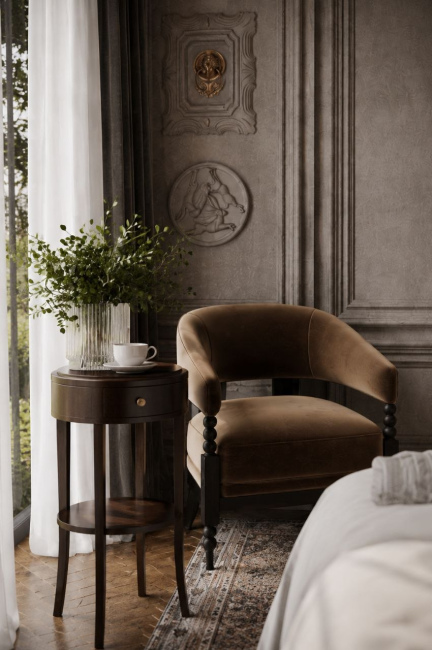
Arrival matters. So does the transition from a public space into a quieter guest room, the lighting at night, the comfort of a chair by the window, the materials guests touch and the view they see first thing in the morning. Restaurants, bars, lounges, bedrooms and bathrooms should feel connected without becoming repetitive. These details are particularly important in boutique hospitality, where a smaller number of rooms creates an opportunity to offer considerably more individuality.

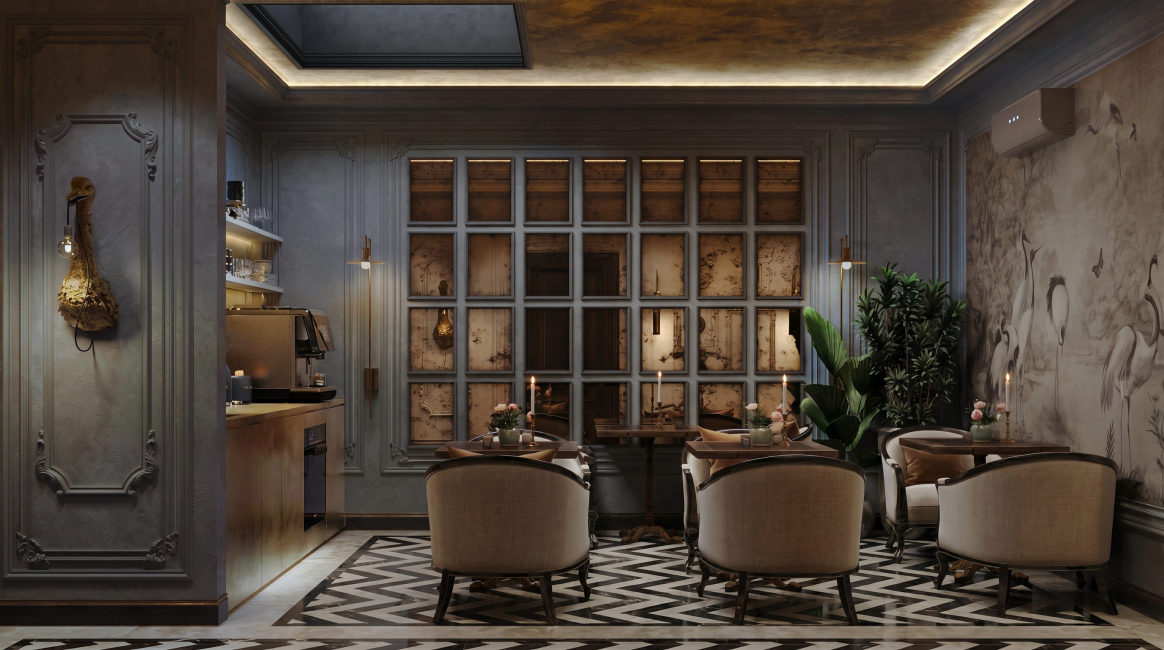
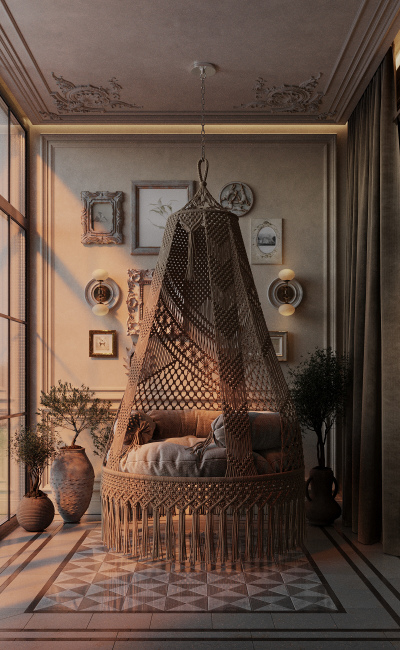
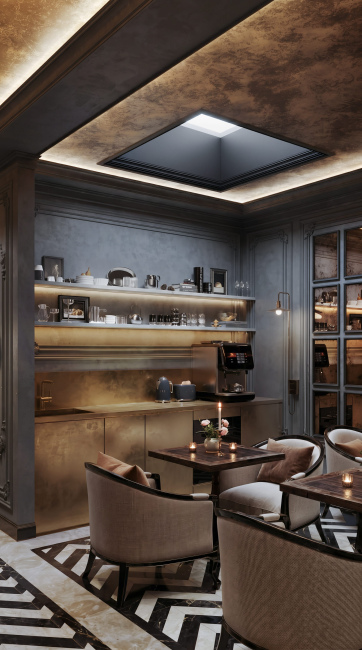
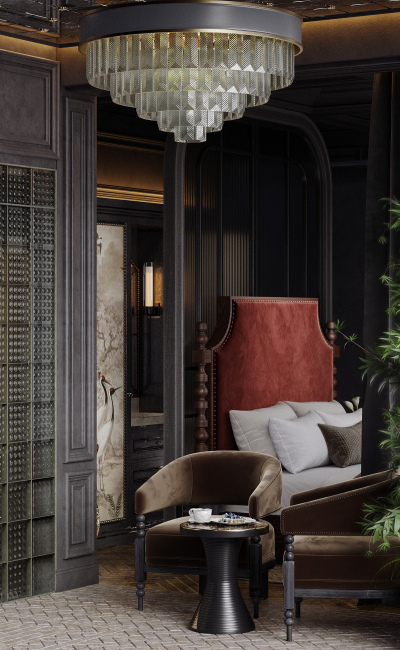
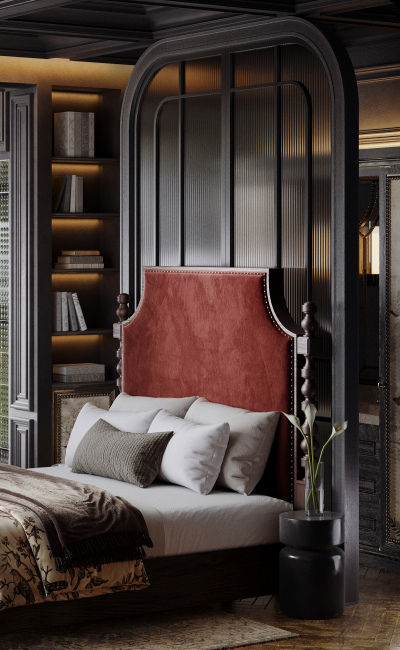
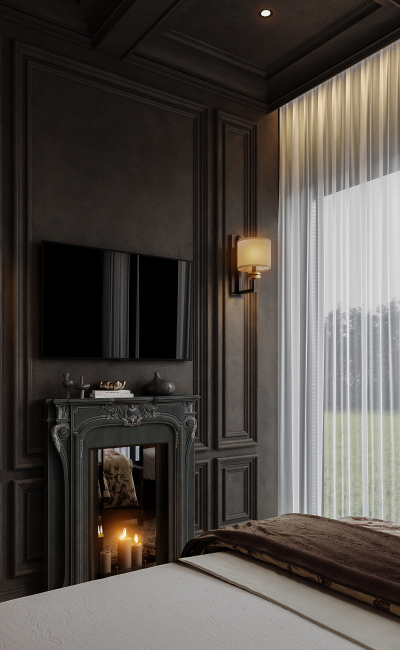
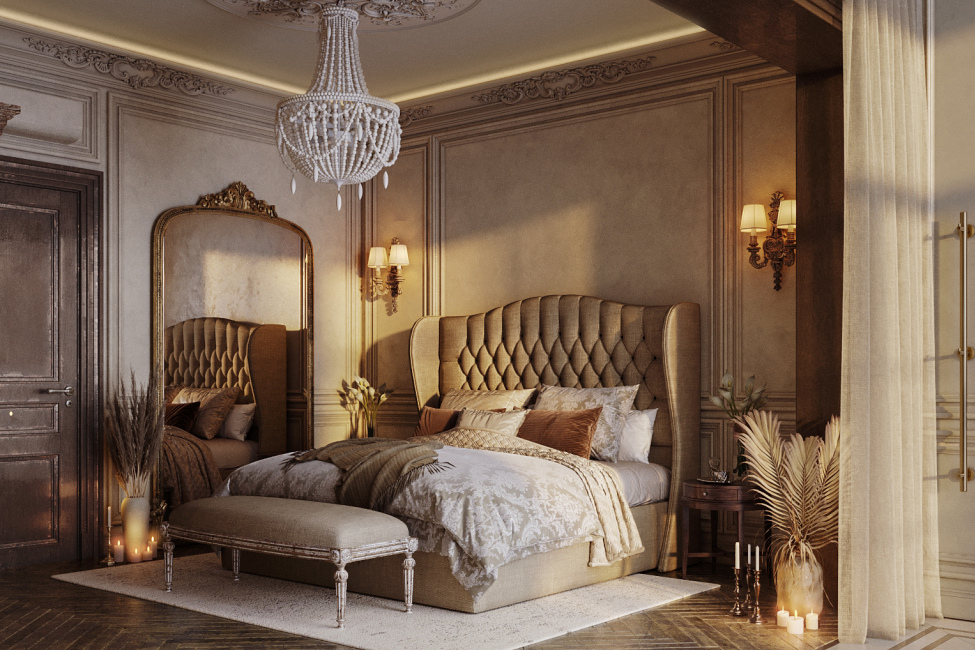
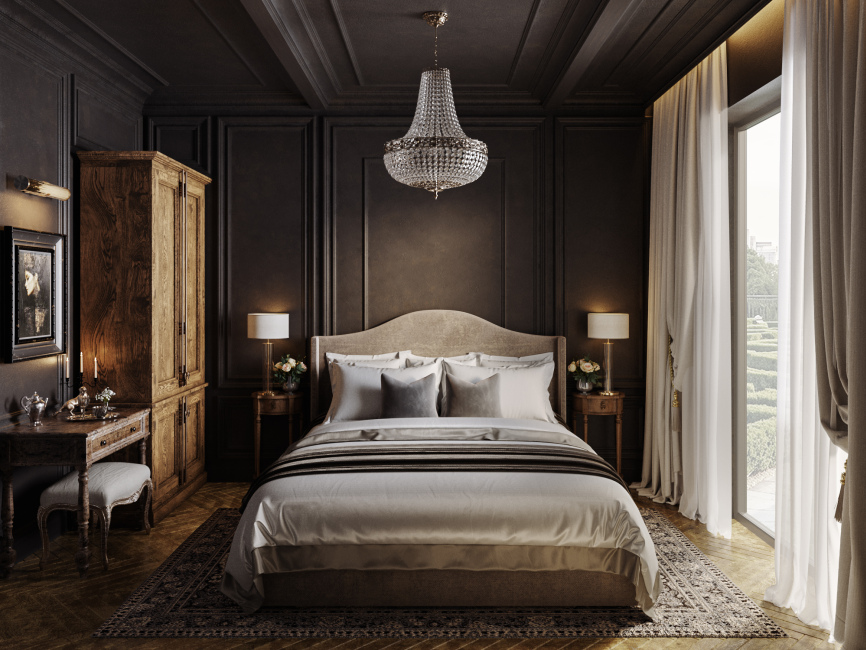
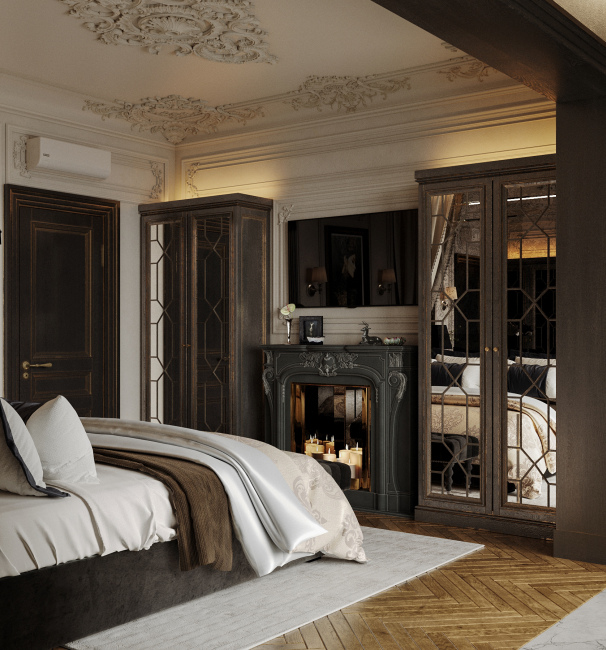
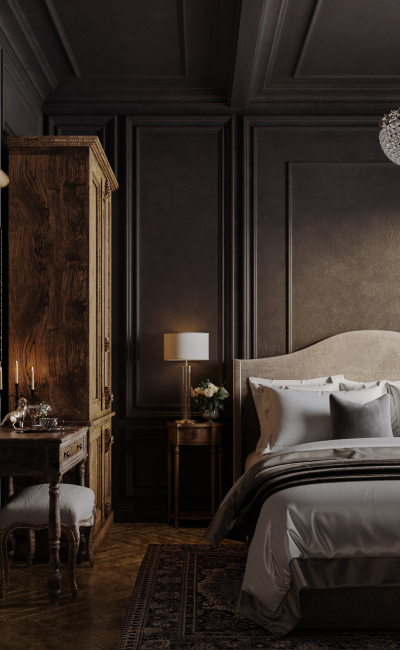
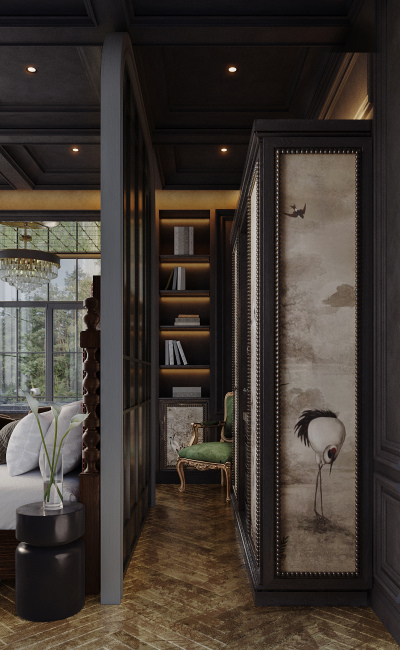
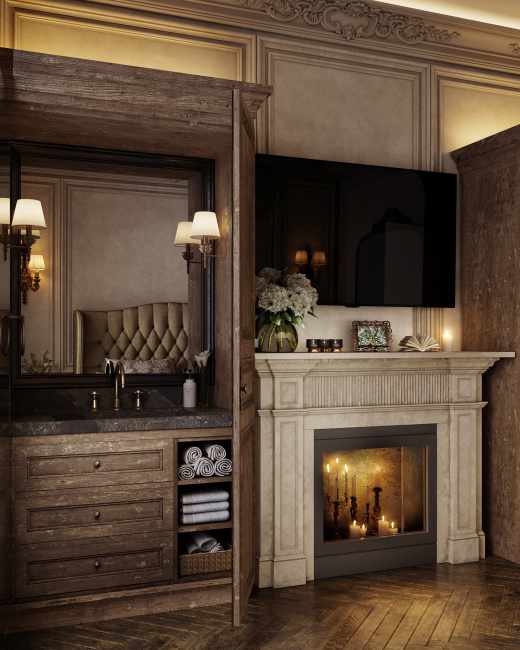
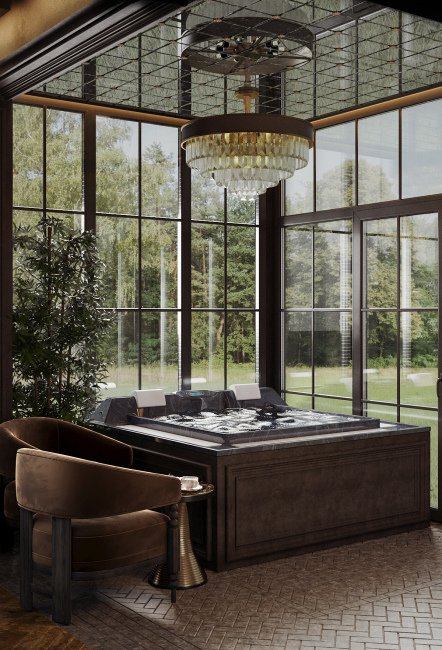
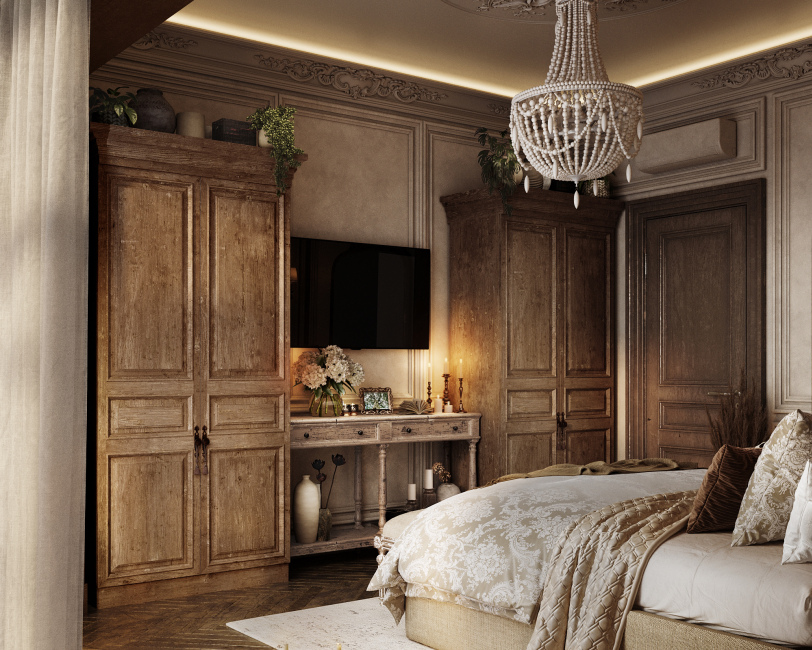
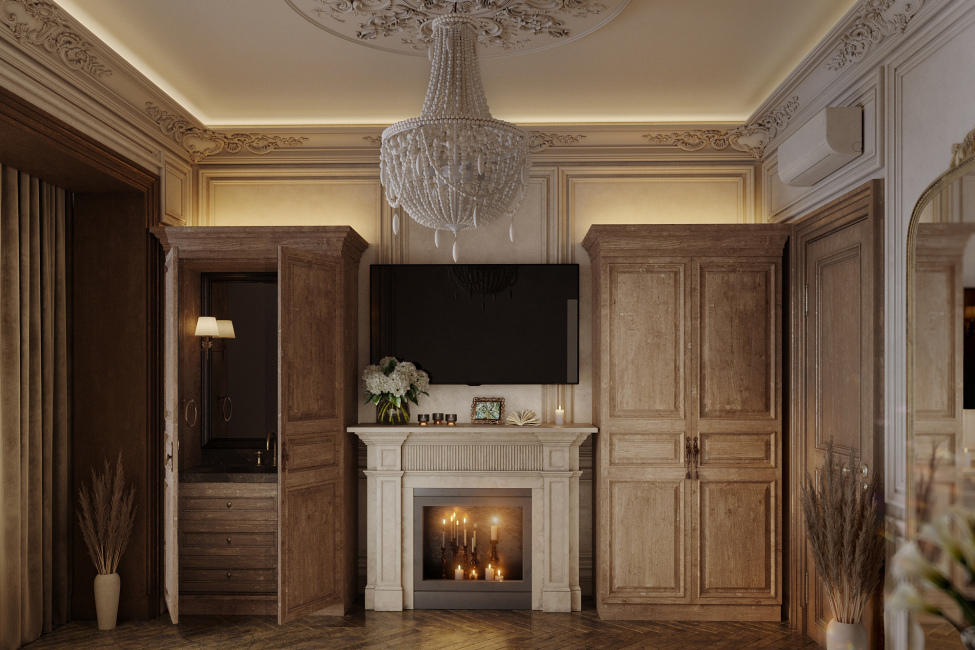
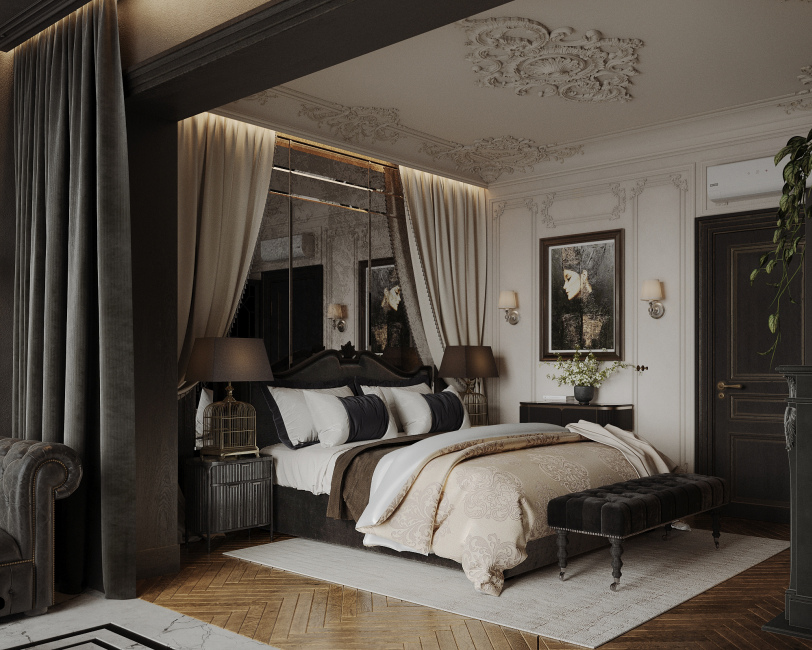
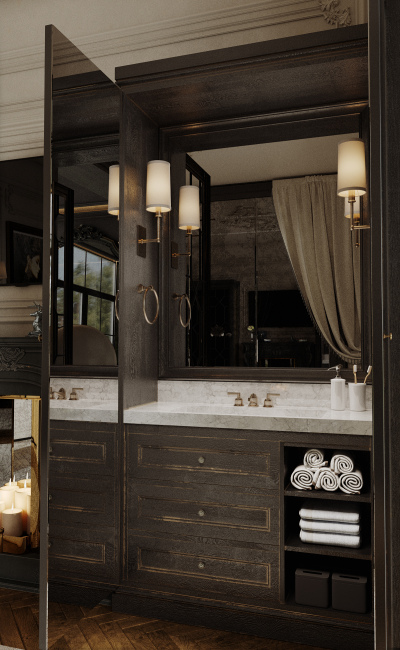
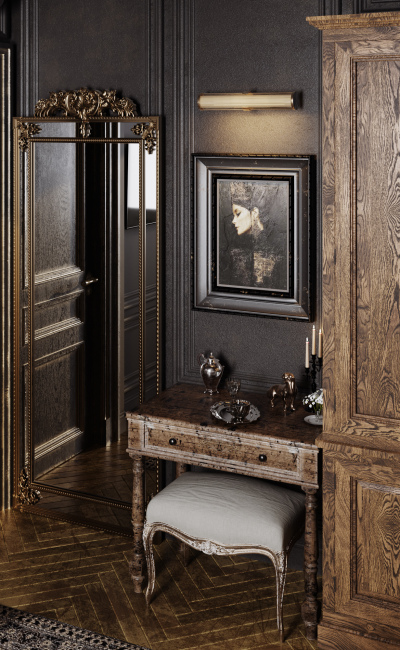
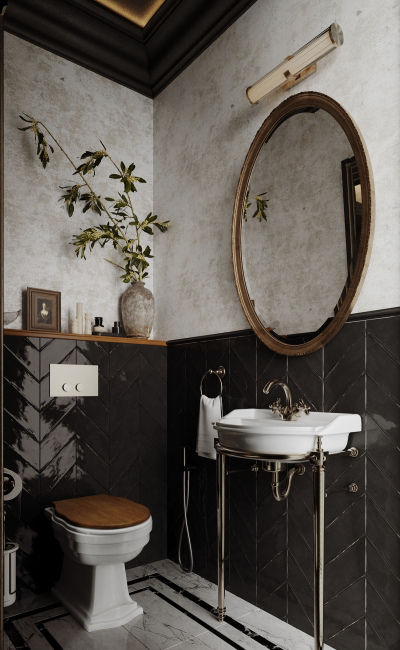
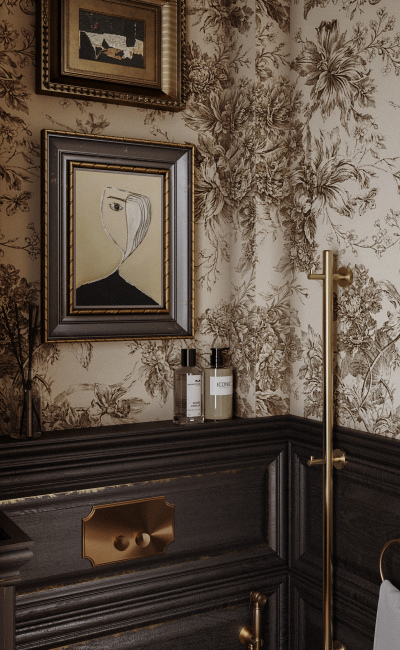
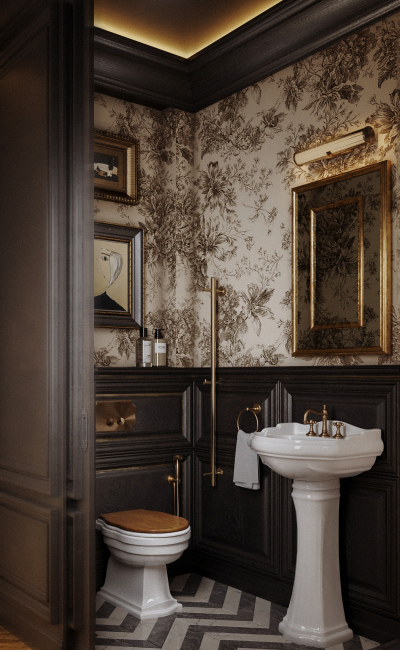
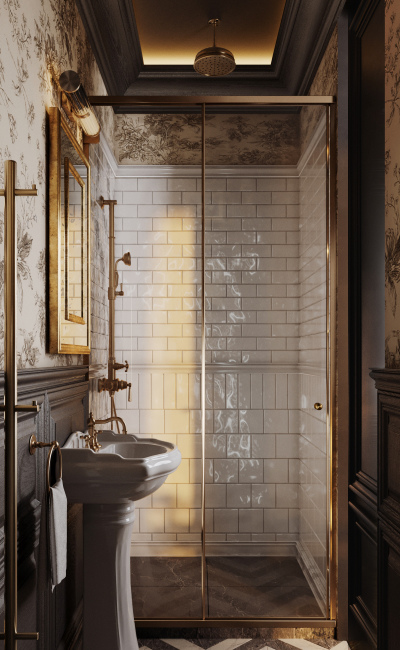
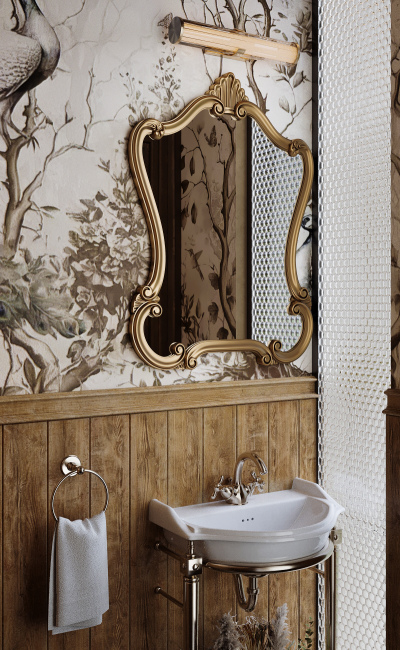
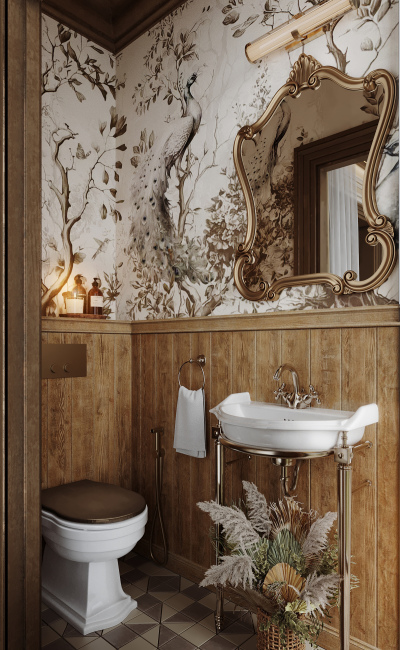
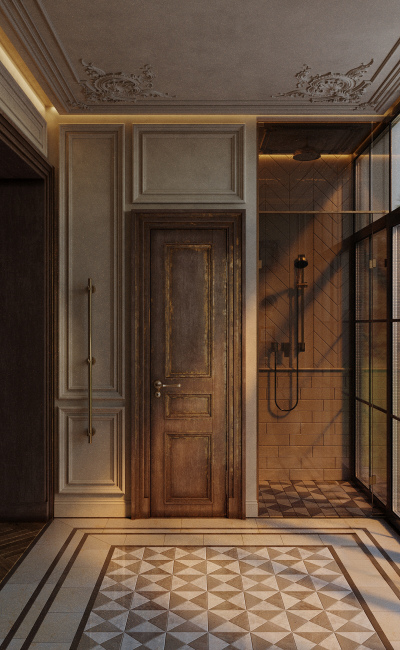
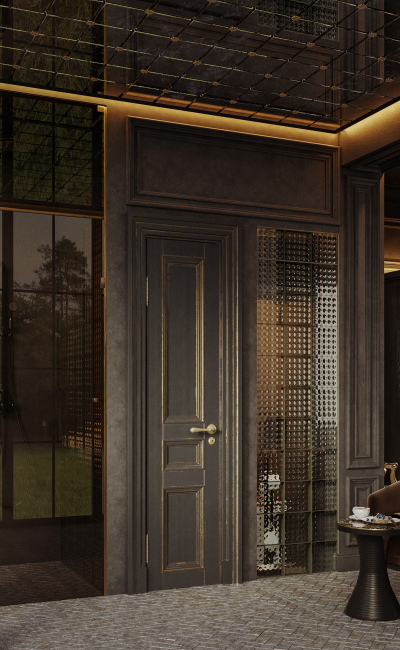
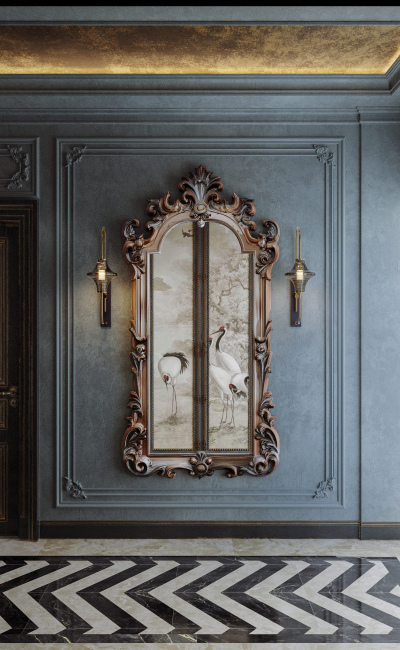
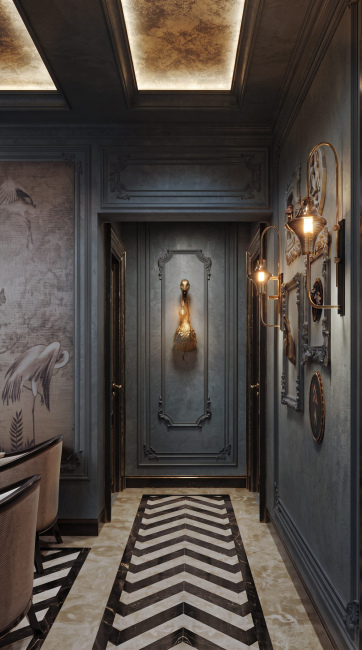
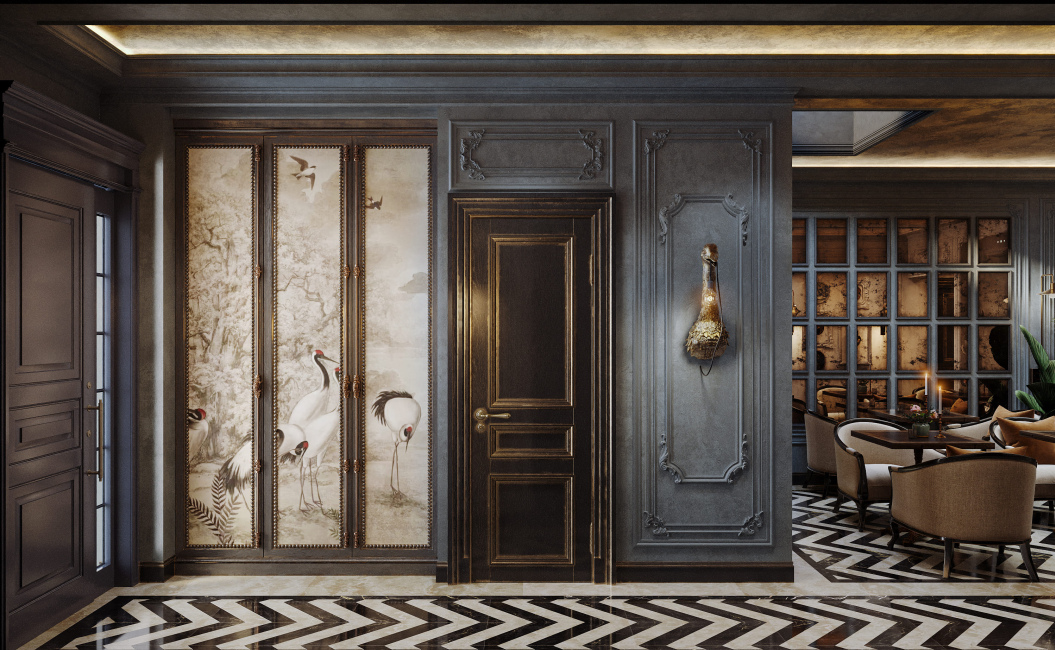
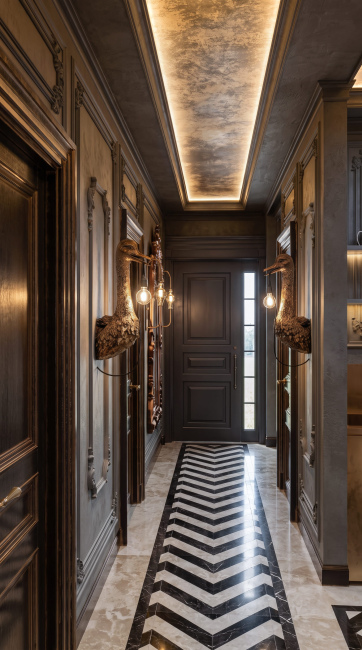
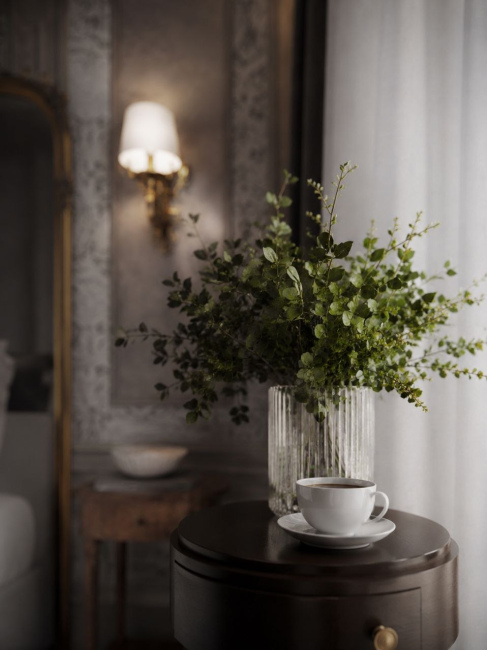
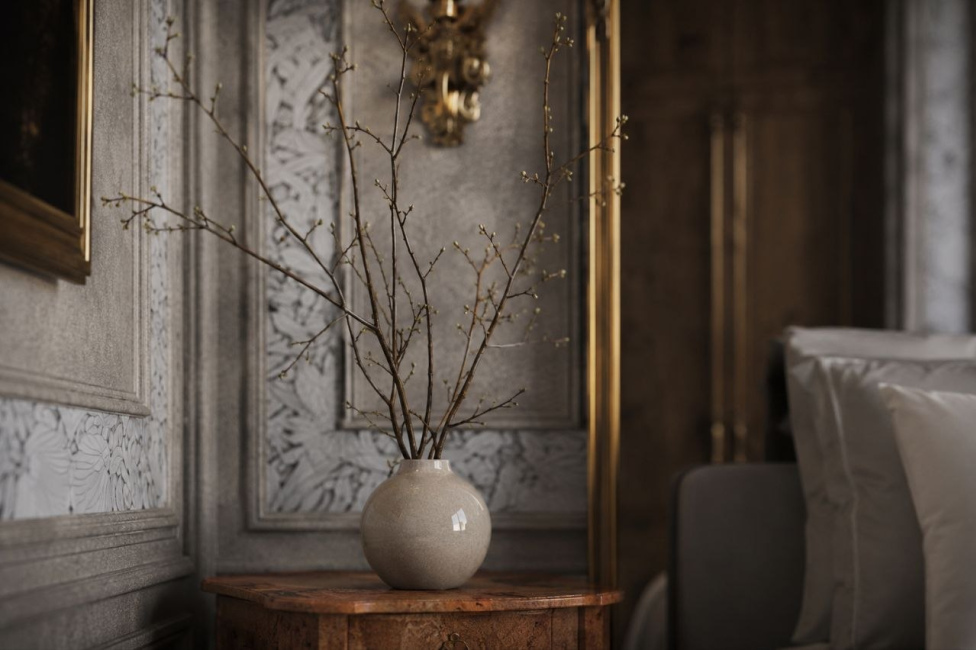
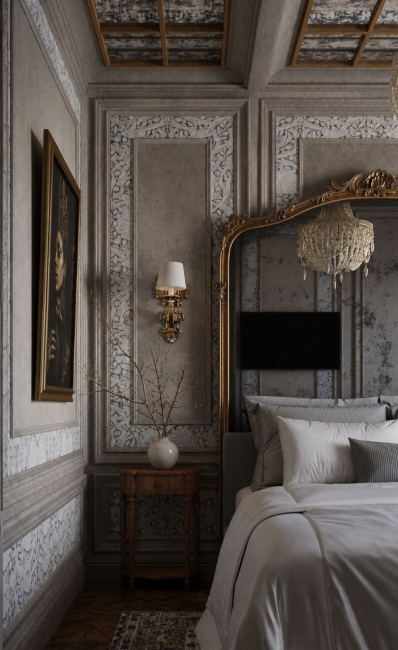
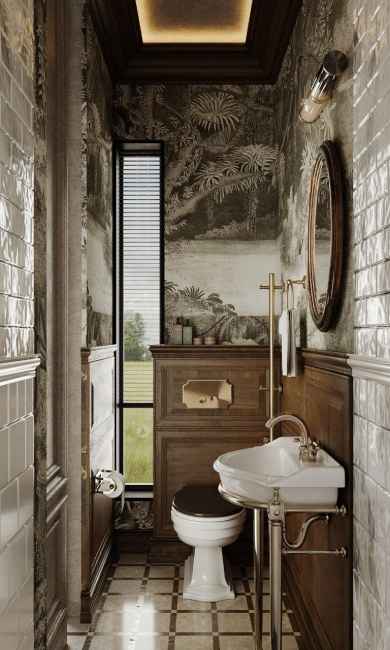
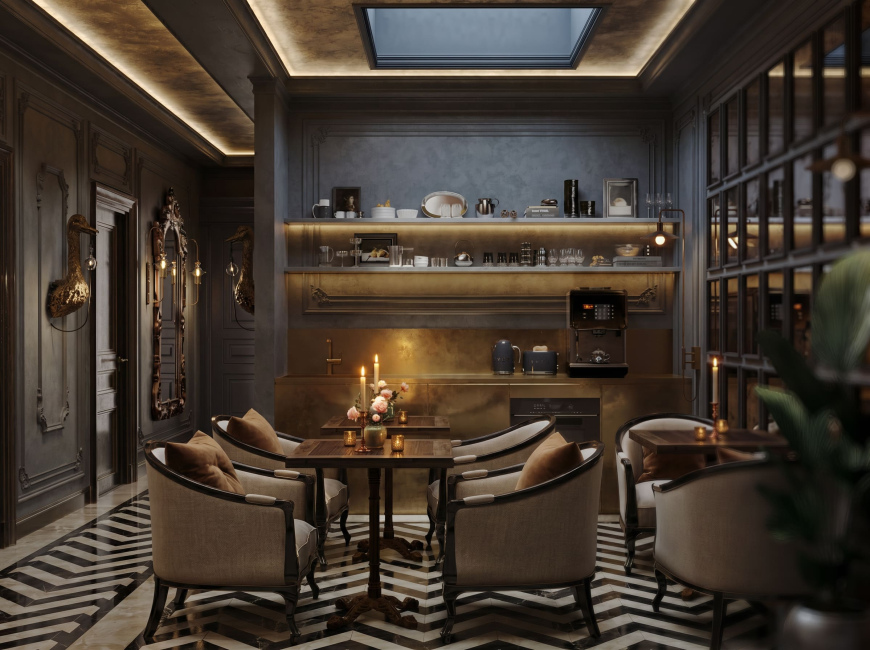
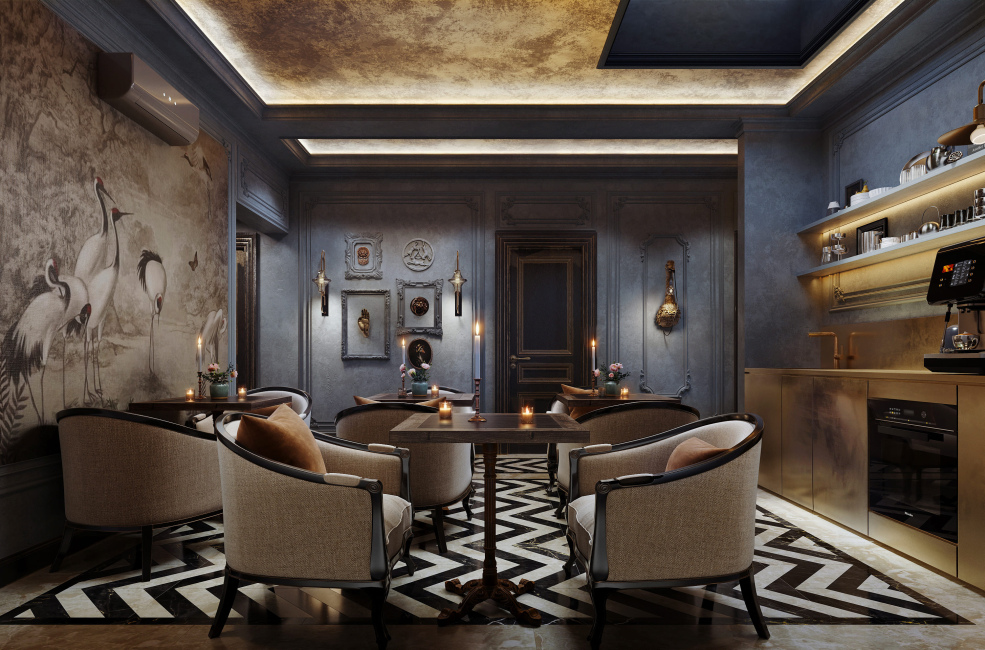
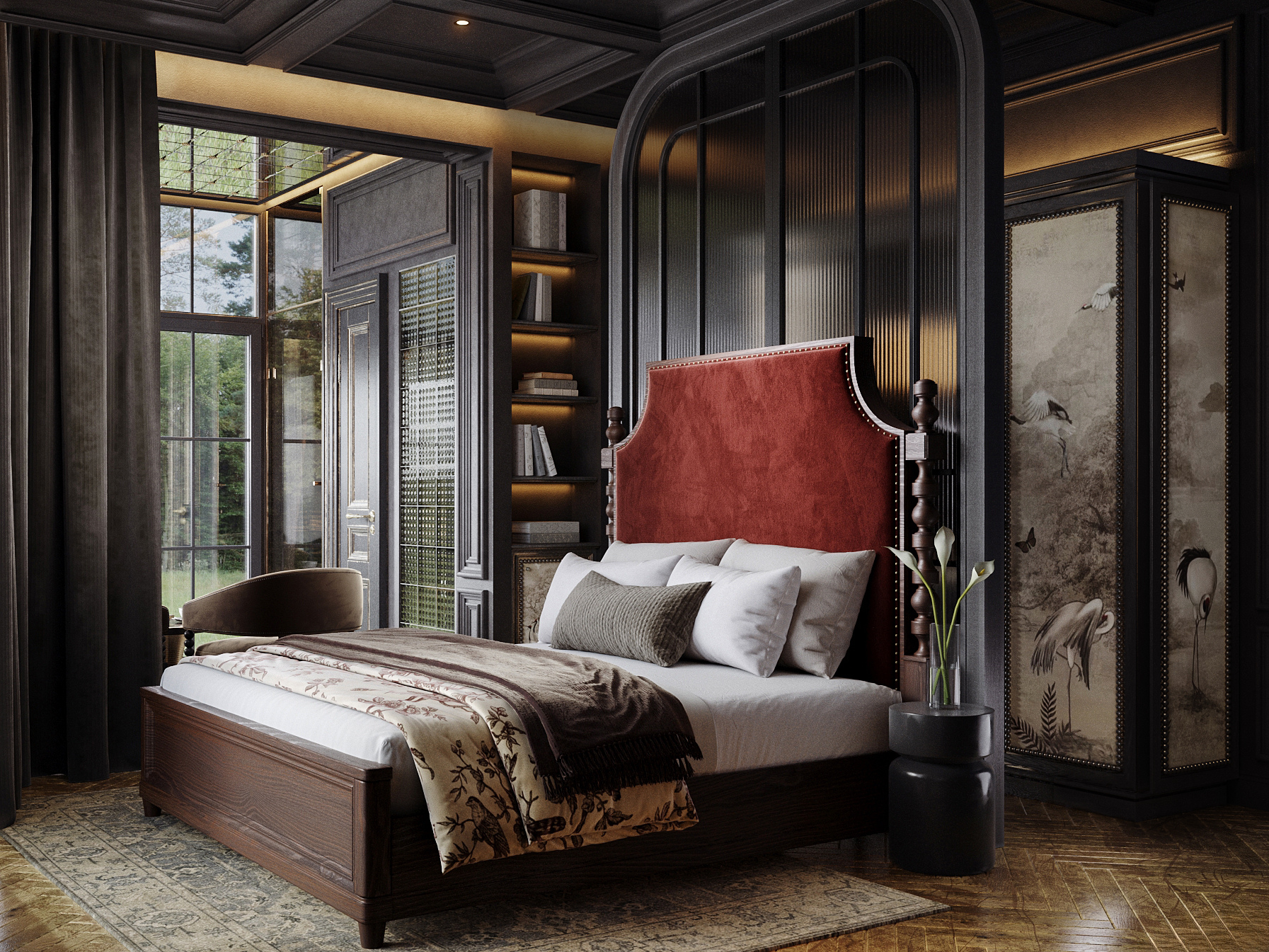
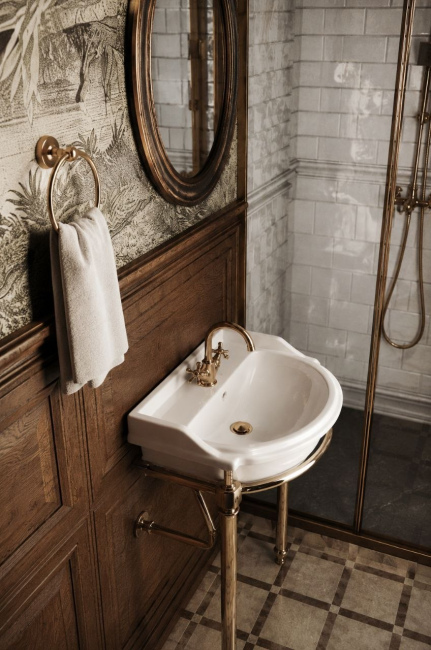
Our currentboutique hotel interior design project demonstrates this approach particularly well. The intimate eight-room property has been designed so that every bedroom has its own identity. British classical influences sit alongside subtle chinoiserie, rustic textures and more unexpected details, while selected bathrooms open visually towards the surrounding landscape. Rather than repeating one successful room concept eight times, the design gives guests something different to discover throughout the hotel.

This project follows earlier hospitality experience on a very different scale. Yuliya Forrest previously worked on the design of a resort hotel of more than 20,000 square metres in Egypt and has undertaken specialist HoReCa studies in Milan. Together, these experiences inform an approach that considers both the emotional side of hospitality and the practical realities behind it.

 boutique hotel interior design Edinburgh, hotel interior design Glasgow, boutique hotel interior design Highlands

A Sense of Place Without the Clichés

Scotland provides an extraordinary setting for boutique hospitality. Aberdeen and the North East, Edinburgh, Glasgow, Perthshire, St Andrews, the Highlands and the islands each offer completely different architecture, landscapes and reasons to travel.

Good hotel interior design should respond to that context without turning it into a theme.

A Scottish interior does not automatically require tartan, antlers or predictable references to heritage. Sometimes the connection to place is much quieter: locally appropriate materials, colours taken from the surrounding landscape, artwork, craftsmanship, the way a window is framed or simply allowing an exceptional view to remain the strongest feature in the room.

This is particularly relevant to boutique hotel interior design in the Scottish Highlands and countryside, where the landscape itself may be one of the property's greatest commercial assets. Interior design should work with that advantage rather than compete with it.

The same principle applies in cities. Boutique hotel interior design in Edinburgh may need to respond sensitively to historic architecture while creating an experience relevant to a contemporary international guest. Hotel interior design in Aberdeen can draw upon the city's distinctive granite architecture, coastal setting and strong business market without becoming predictable. Glasgow offers another character entirely, with opportunities for more urban, expressive hospitality concepts.

The location should influence the design, but it should never dictate a cliché.

From Guest Rooms to the Complete Hotel Experience

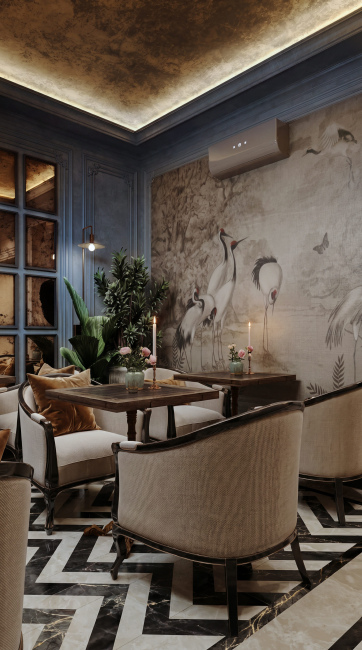
Successful hospitality design extends far beyond bedrooms. Reception areas, restaurants, bars, breakfast rooms, lounges, spas and circulation spaces all contribute to how a guest remembers a stay.

For hotel owners and developers, these spaces also need to work commercially. Materials must be selected with durability and maintenance in mind. Furniture needs to withstand hospitality use without looking overtly commercial. Lighting must work throughout the day and evening. Storage, housekeeping requirements and staff movement need to be considered alongside the guest-facing design.

This is where boutique hotel interior design becomes particularly interesting. Smaller properties can often be more personal and experimental, but every square metre needs to earn its place.

The same thinking applies to luxury guest houses and serviced apartments. A smaller property can still deliver a sophisticated hospitality experience through strong spatial planning, considered FF&E, memorable details and an identity that photographs well without feeling designed purely for the camera.

boutique hotel interior designer Scotland, hotel interior design Aberdeen

Design as Part of the Hotel Business

For a boutique hotel, interior design is part of the product being sold.

Guests may initially discover a property through photographs, but what brings recommendations and repeat visits is the experience once they arrive. A distinctive interior can help establish a stronger market position, support the perception of a premium stay and give guests a reason to remember one property among many.

Individual rooms can create another interesting commercial advantage. When guests have enjoyed a hotel but know that another room offers a completely different experience, returning becomes more appealing. Instead of simply asking whether they would stay at the hotel again, the question becomes which room they would choose next.
Design also has to survive beyond opening day. Good hospitality interiors consider maintenance, longevity, operational requirements and how materials will age. Luxury does not mean choosing the most expensive finish. It means knowing where investment will be noticed, where durability matters and where a relatively simple design decision can transform the guest experience.

Boutique Hotel Interior Design in Aberdeen and Across Scotland

Yuliya Forrest Interior Design works with hotel owners, developers and hospitality businesses on boutique hotel interior design in Aberdeen and across Scotland, including Edinburgh, Glasgow, Dundee, Perthshire, St Andrews and the Highlands, as well as selected international projects.

Our work can include concept development, space planning, interior architecture, lighting and electrical planning, FF&E specification, bespoke furniture and joinery design, 3D visualisation and detailed design documentation, depending on the requirements of the project.
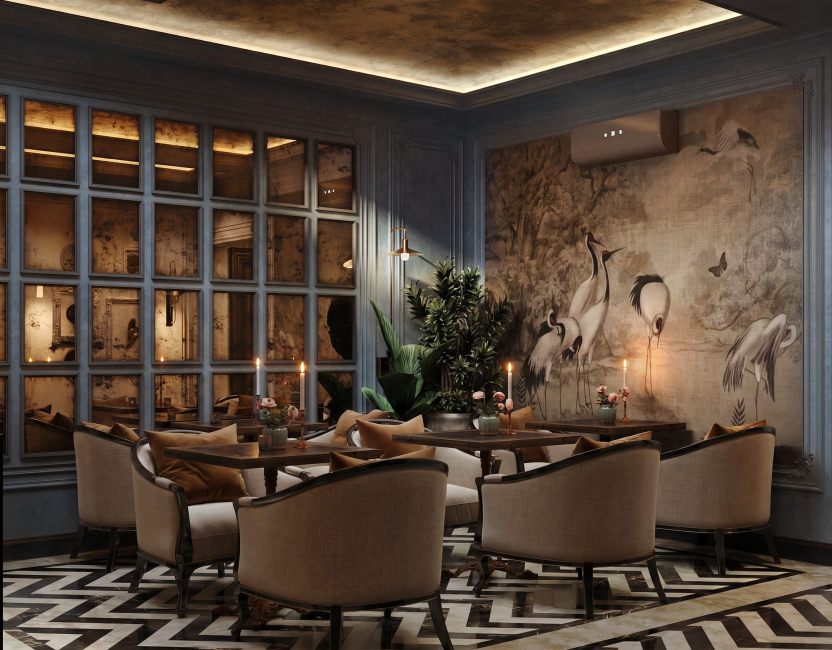
The approach is deliberately personal. Boutique hospitality is at its strongest when a property has the confidence not to look like every other hotel.
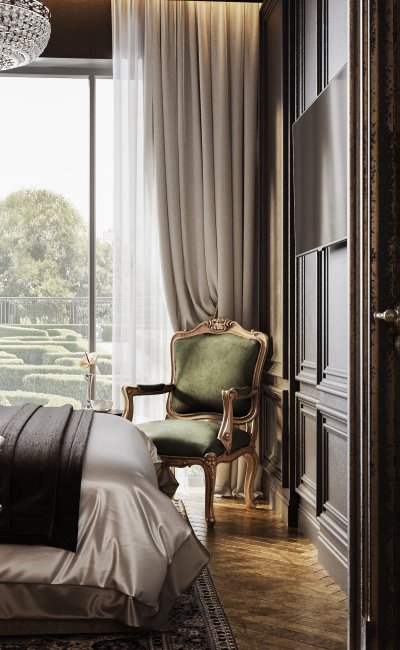
The objective is simple: to create a place guests remember, recommend and genuinely want to experience again.


Frequently Asked Questions

Because interior design is not just about colours and cushions - it’s about how you live, feel, and function in your space.
When you start a renovation, you are already investing time, money, and emotions. Construction work in the UK is expensive and stressful - and mistakes cost even more to fix.
Yuliya Forrest, an experienced interior designer based in Scotland, helps you turn that stress into an enjoyable creative process. She listens carefully, defines your goals (even when you’re not sure what you want yet), and translates them into a well-planned, timeless design that truly works for you.

Renovation is a long chain of decisions: where to put sockets, how to plan lighting, what height the tiles should reach, which wall should carry colour.
Yuliya coordinates it all - from builder communication to material sourcing - so you can focus on the excitement of transformation, not the chaos of construction.
She prepares detailed plans and visuals, supervises the process, and solves questions before they turn into problems. You’ll have one clear voice managing your project - not a dozen contractors calling you every day.

That’s perfectly fine. Most clients start by saying, “I just know what I don’t like.”
Through conversation, mood boards, and visual examples, Yuliya helps you discover your own aesthetic - even if you can’t describe it yet. Together you define what “home” truly means to you, and she brings that to life with balance, warmth, and functionality.

Yes - and often a lot of it.
Designers don’t just make spaces prettier; they prevent costly mistakes. Yuliya knows the market, trusted suppliers, and the technical side of construction. She ensures the right materials are chosen, orders are placed on time, and the overall layout is logical and efficient.
With her experience, you avoid:

  • Buying the wrong materials or quantities.
  • Paying twice for the same job because of unclear plans.
  • Overpaying contractors for design decisions that should have been made earlier.

In the end, a designer doesn’t increase your renovation budget - she helps you spend it wisely.

Homes in Scotland often come with their own character - beautiful stone walls, period details, or unique layouts.
Yuliya understands the local architecture, the building regulations, and the reality of working with Scottish trades. She also knows how to combine classic charm with modern comfort - creating interiors that feel timeless, warm, and authentically Scottish.
Whether it’s a flat in Aberdeen or a countryside home near Edinburgh, Yuliya creates designs that adapt to the northern light, climate, and lifestyle - cozy, atmospheric, and elegant.

Because in commercial design - every detail speaks to your customer.
A well-designed interior is not a luxury; it’s a business tool. Yuliya designs bars, cafés, event halls, offices, and retail spaces where atmosphere equals revenue.
She analyses your target audience, understands how colour affects appetite, mood, and behaviour, and creates interiors that attract and retain clients.
From zoning and acoustics to lighting and durability - every element works together to build your brand identity.
“A great commercial interior doesn’t just look good - it makes your customers feel good, and that’s what keeps them coming back.”

Because space communicates before you do.
Your clients notice lighting, textures, sound, and flow - often subconsciously. A designer shapes that experience to align with your brand’s personality.
A well-thought design can:

  • Increase customer satisfaction and loyalty.
  • Encourage longer stays and higher spending.
  • Improve team productivity and morale.
  • Reflect professionalism and trustworthiness.

Good design isn’t an expense - it’s an investment with measurable return.

As every project is different, pricing is tailored to each client's requirements.

Fees are based on factors such as the size and complexity of the project, the number of rooms, the scope of work, the level of detail, and the required delivery timeframe.

Depending on the project, the fee may be calculated per square metre or as a fixed design fee.

Following an initial consultation, you will receive a bespoke quotation with a clear breakdown of the proposed services.

Each project includes:

  • Concept development and moodboards
  • Floor plans, lighting and electrical drawings
  • Material and furniture selection
  • 3D visualisations or hand sketches
  • Procurement support and coordination
  • Site supervision upon request

Every detail is tailored to your lifestyle, budget, and architectural context.