Year
2026
Size
250m2
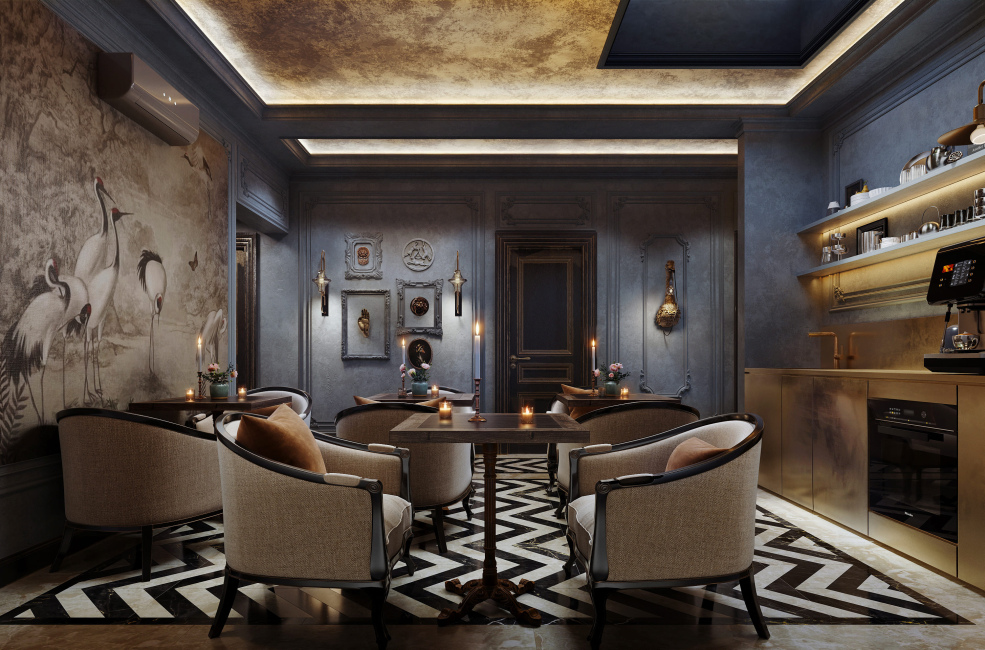
Designing a boutique hotel is a very different challenge compared to large-scale hospitality projects - and in many ways, a far more demanding one.
Yuliya Forrest, who previously worked on a resort hotel exceeding 20,000 square metres in Egypt, approached this project from an entirely new angle. This time, the task was not about scale, but about precision and individuality: to design a boutique hotel with just eight rooms - each one completely unique.
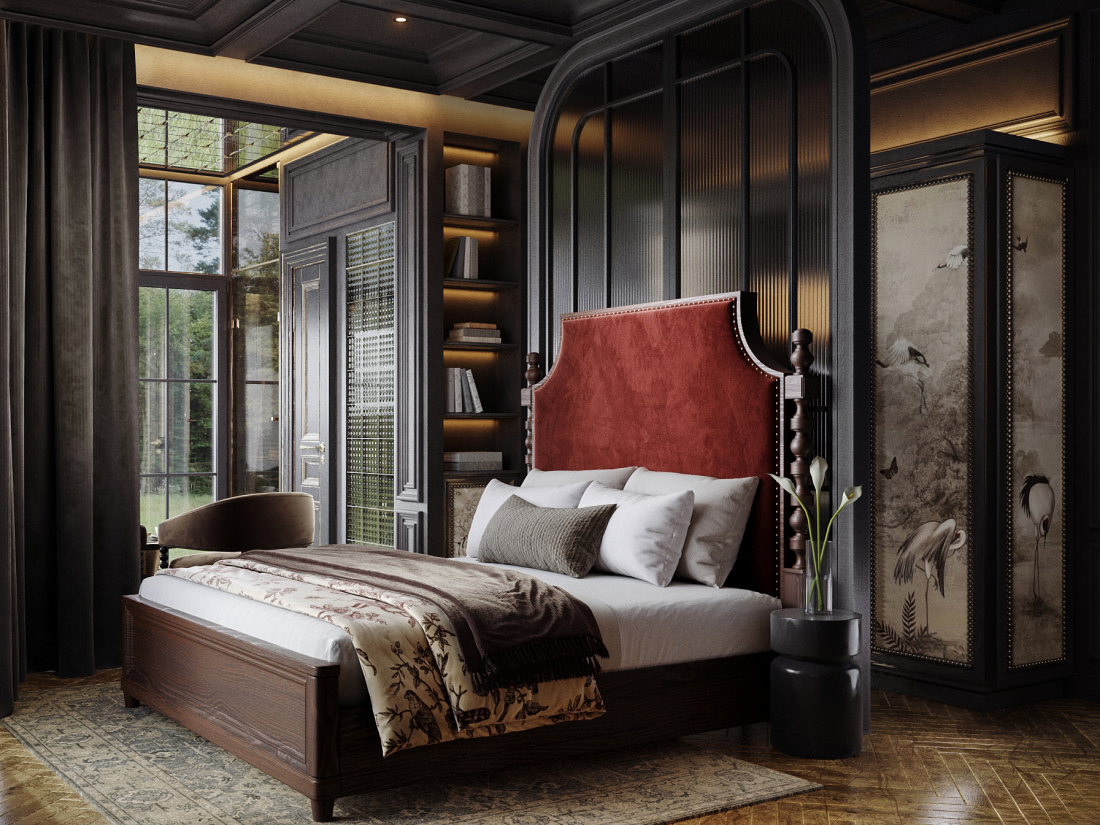
The project itself came with an additional layer of complexity. Yuliya joined at a later stage, after the client made the decision to change the designer. This meant not only developing a new design concept, but also carefully reworking what had already been done.
One of the key challenges was the building itself. The hotel had been purchased from a previous owner, and the façade required a complete redesign - but without unnecessary structural changes that would significantly increase costs.
Part of the inspiration behind this project came from one of Yuliya Forrest’s favourite places in Scotland - The Fife Arms, located in Braemar.
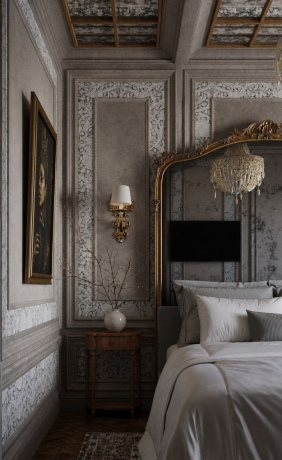
While the design of this boutique hotel is entirely original and distinct, the influence lies in the level of experience it delivers. The Fife Arms is known for its richly layered interiors and unforgettable atmosphere - and it set a personal benchmark for what a truly exceptional boutique hotel should feel like.
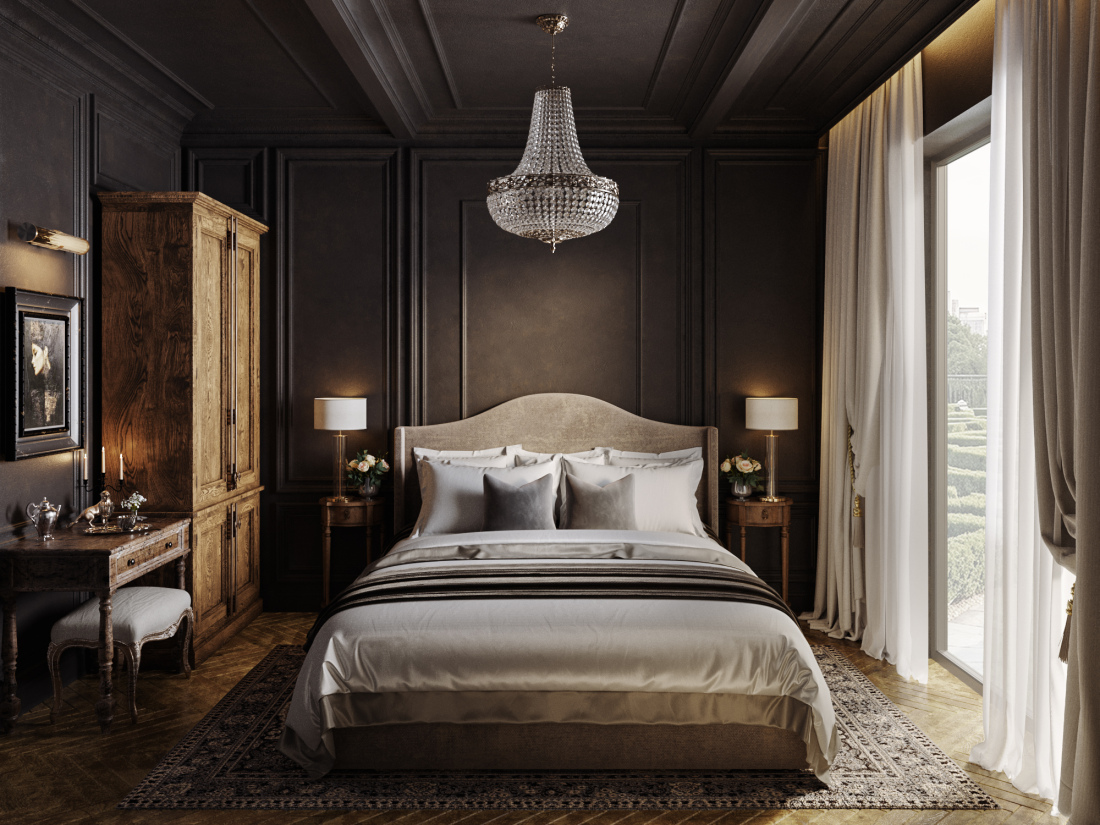
When developing this project, Yuliya Forrest focused on one key idea:
every room should create a sense of discovery and a genuine “wow” moment.
Not through excess, but through thoughtful design, detail, and atmosphere - where each space reveals something unexpected and memorable.
This is where professional hotel design becomes critical - balancing creativity with real-world constraints.
The concept behind this boutique hotel was built around one clear idea:
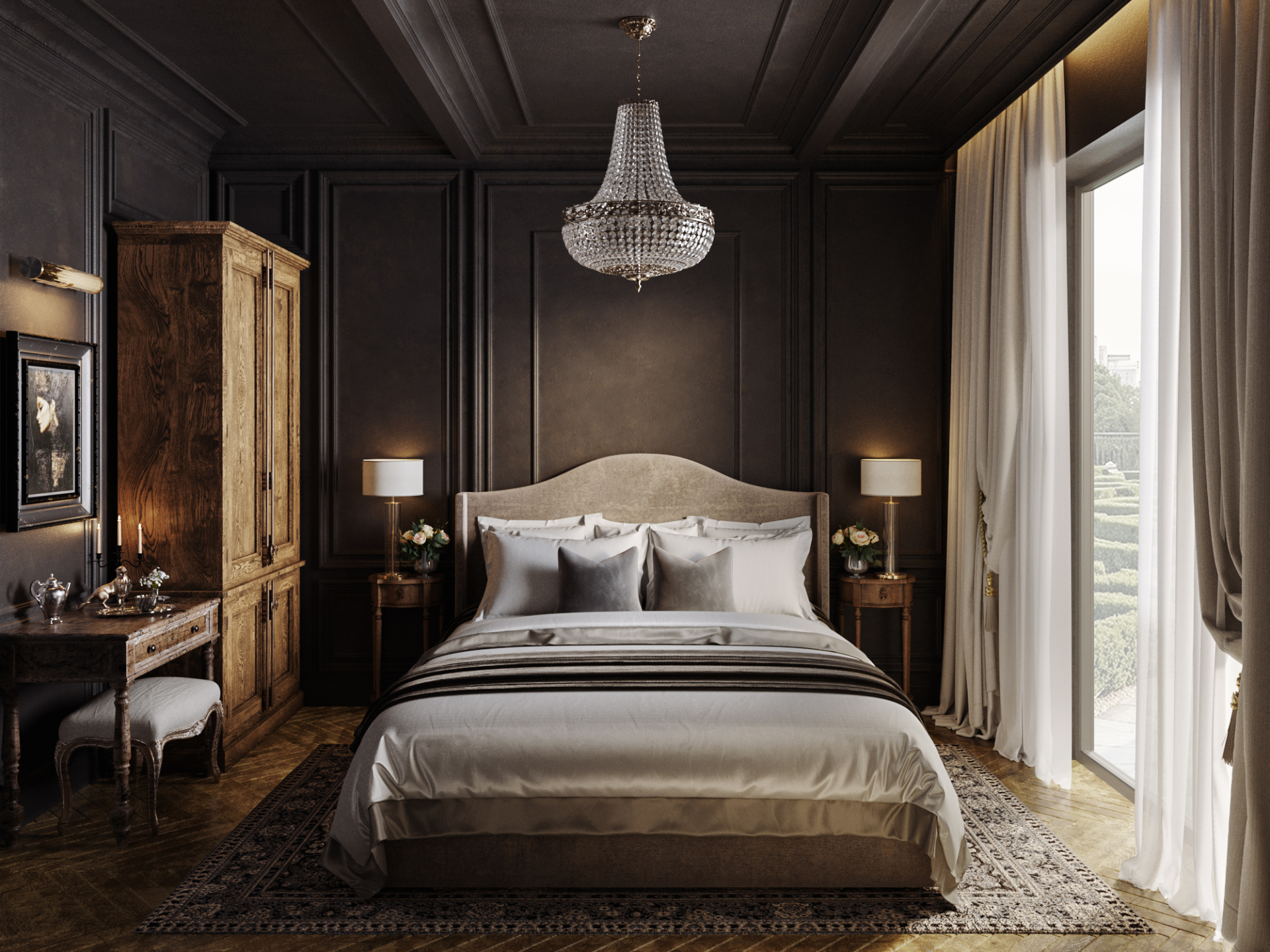
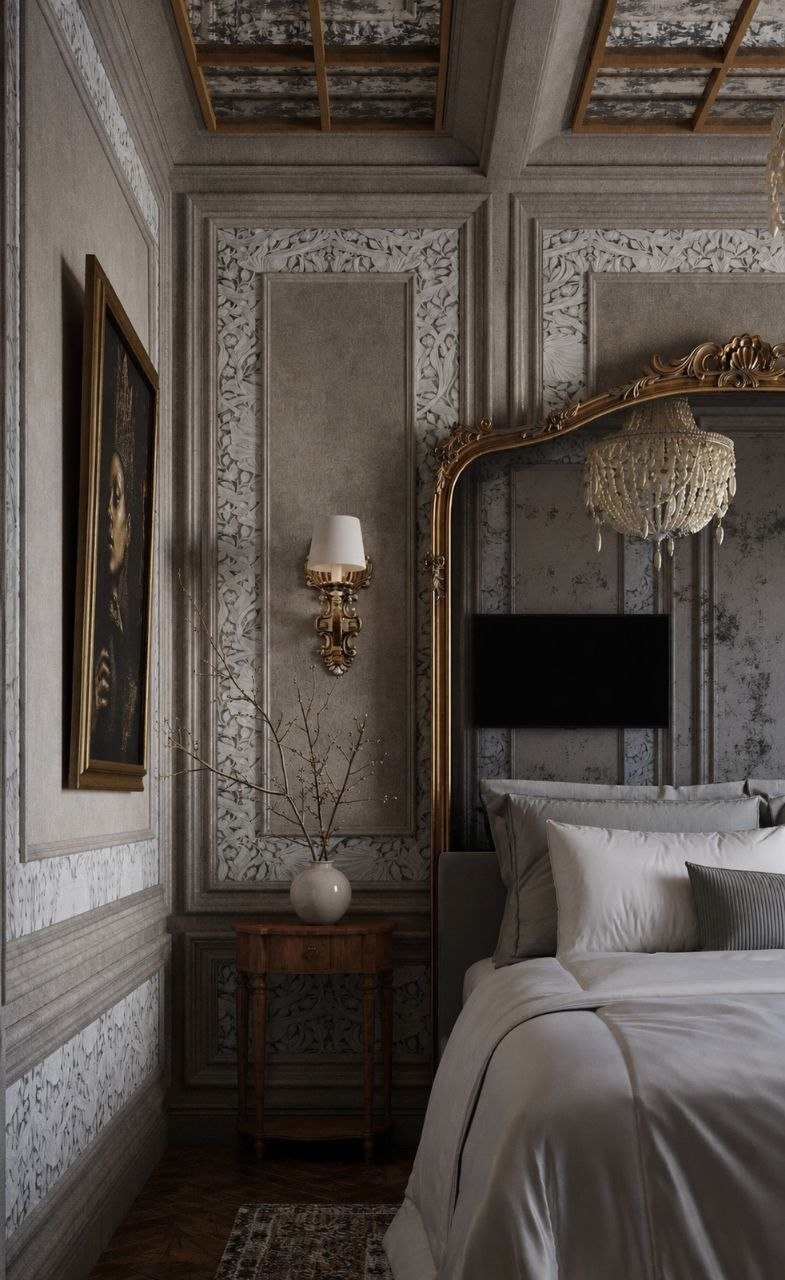
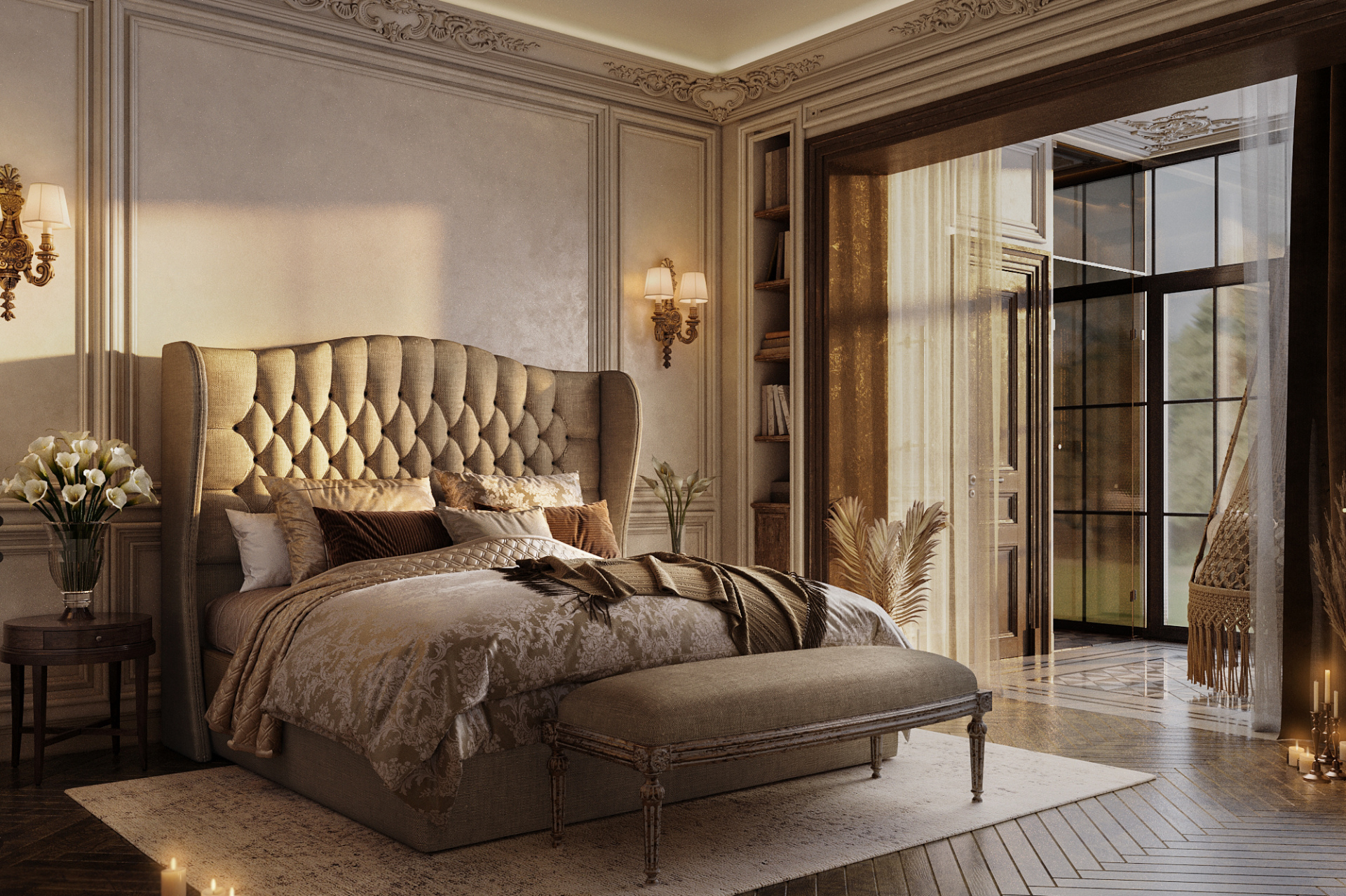
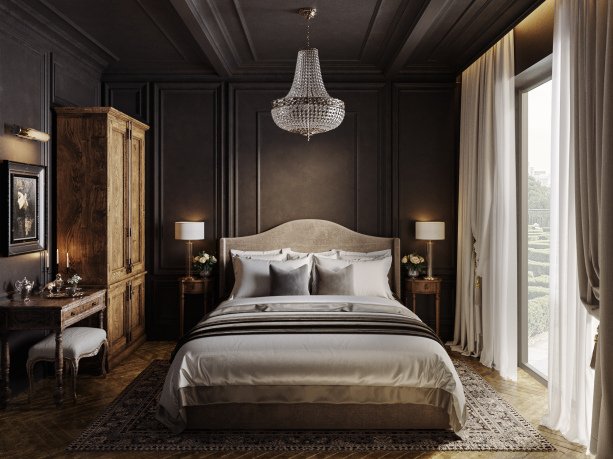
every room should have its own identity.
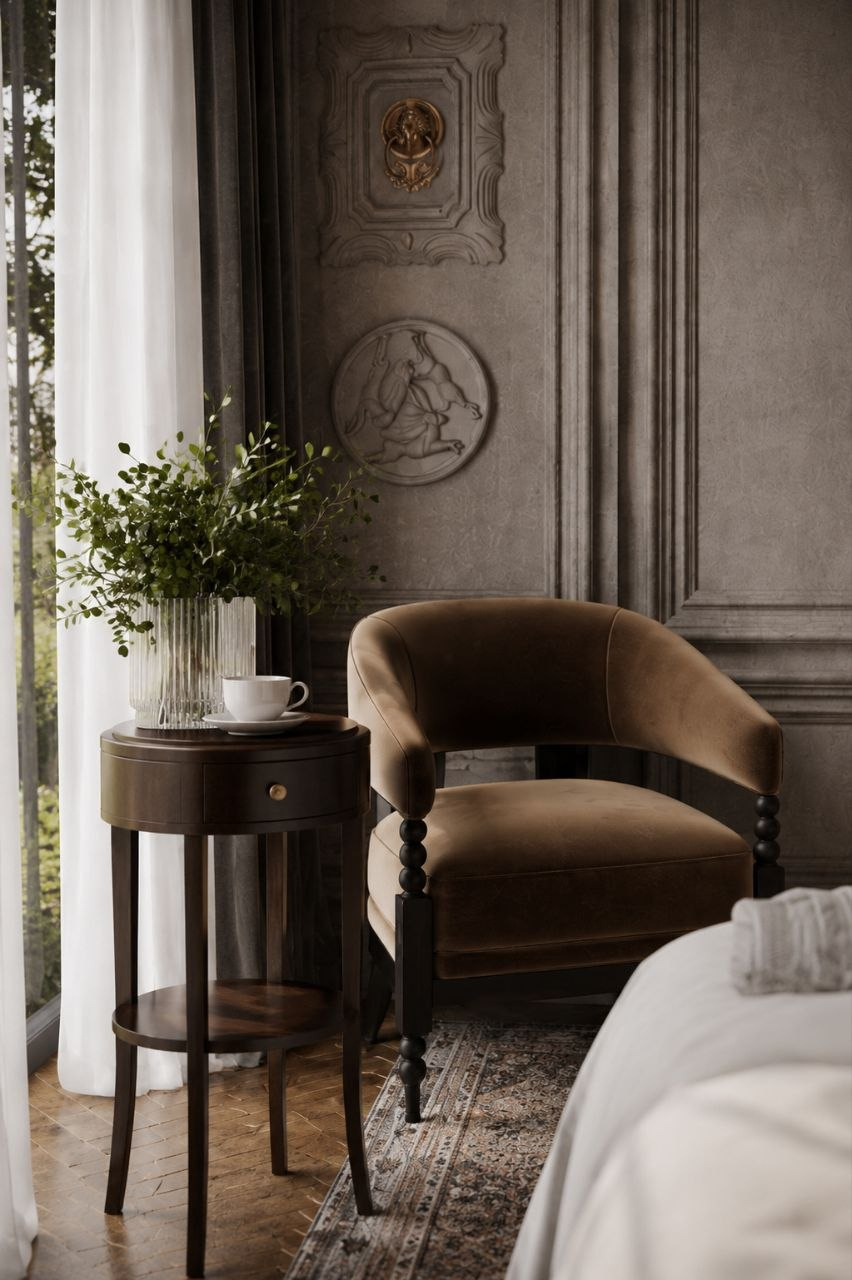
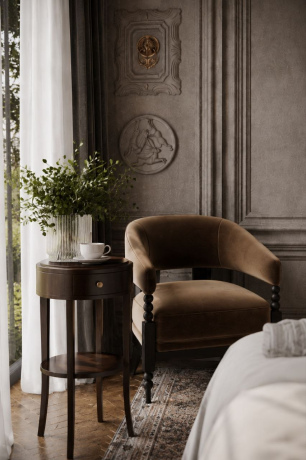
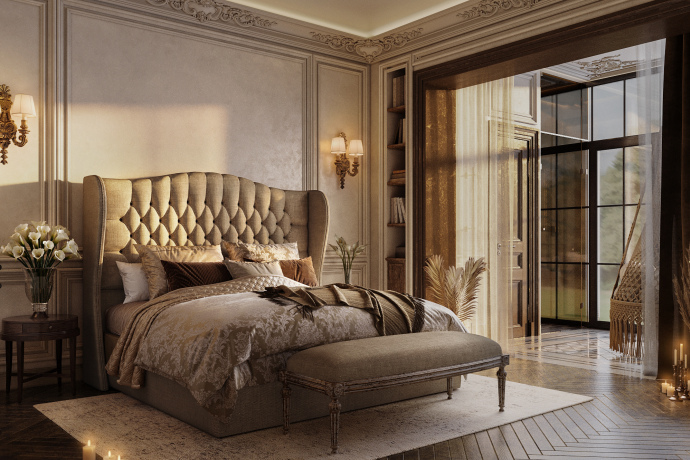
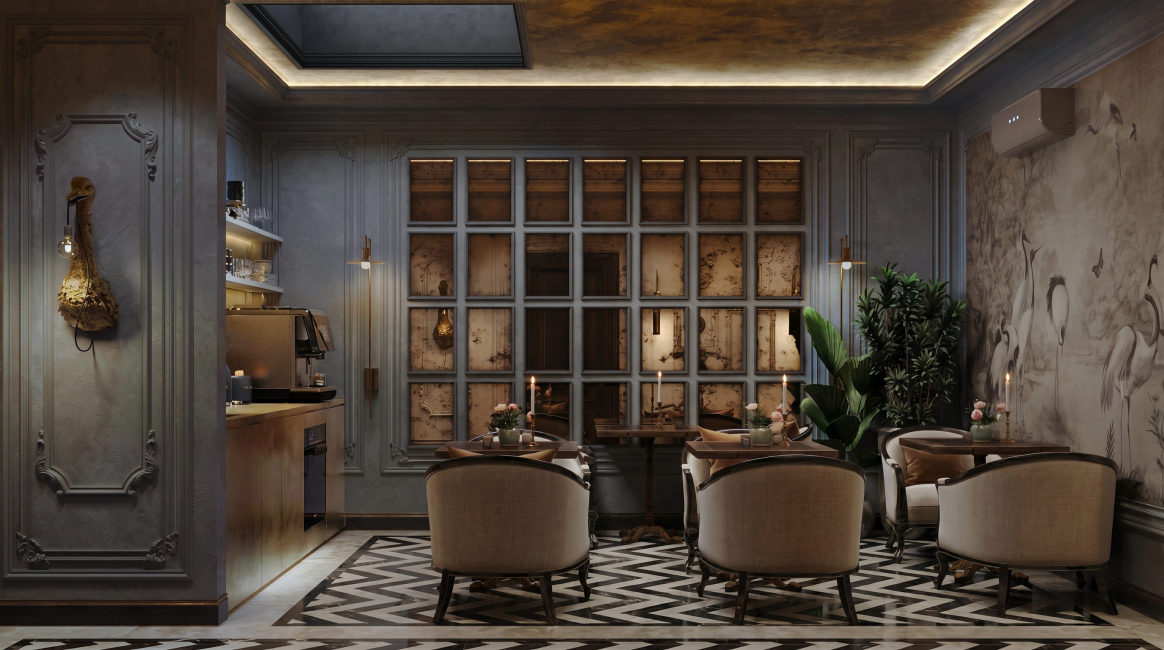
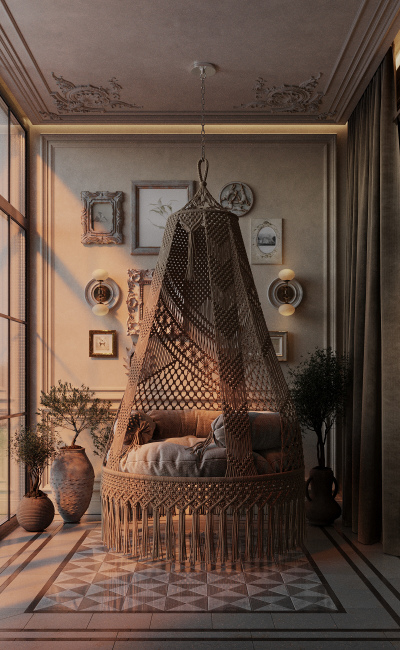
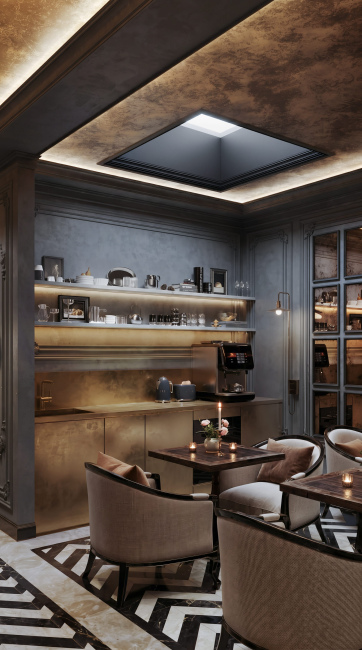
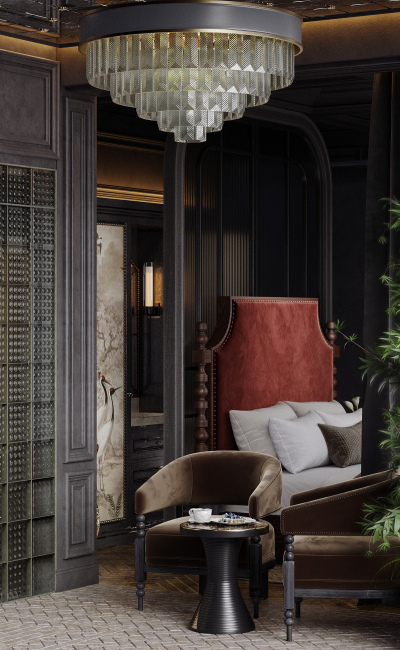
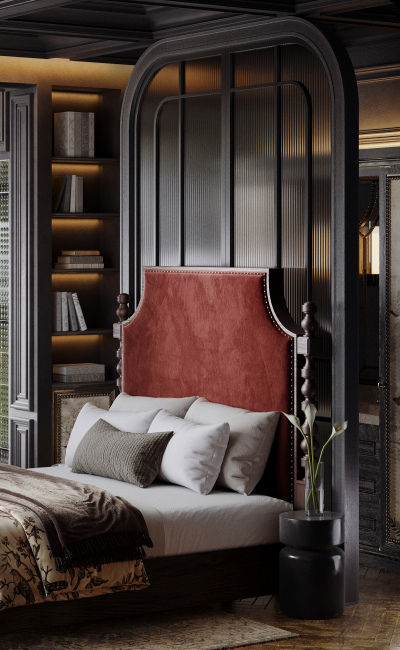
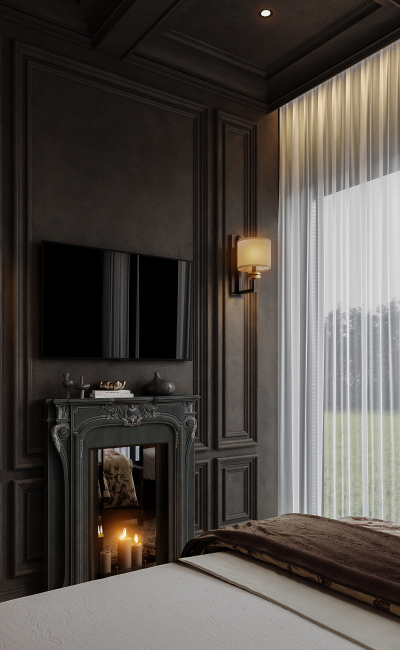
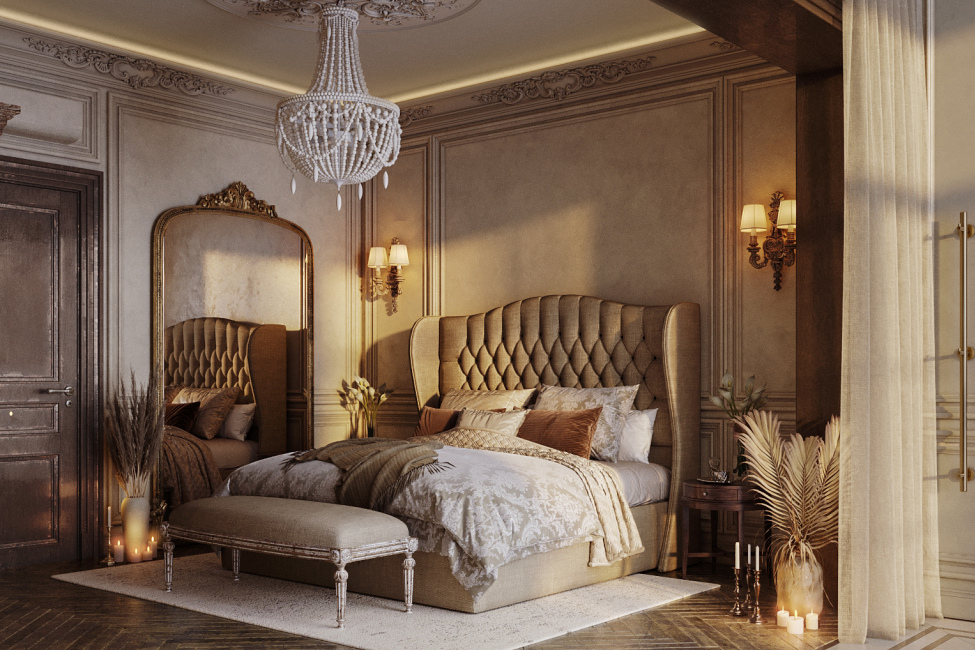
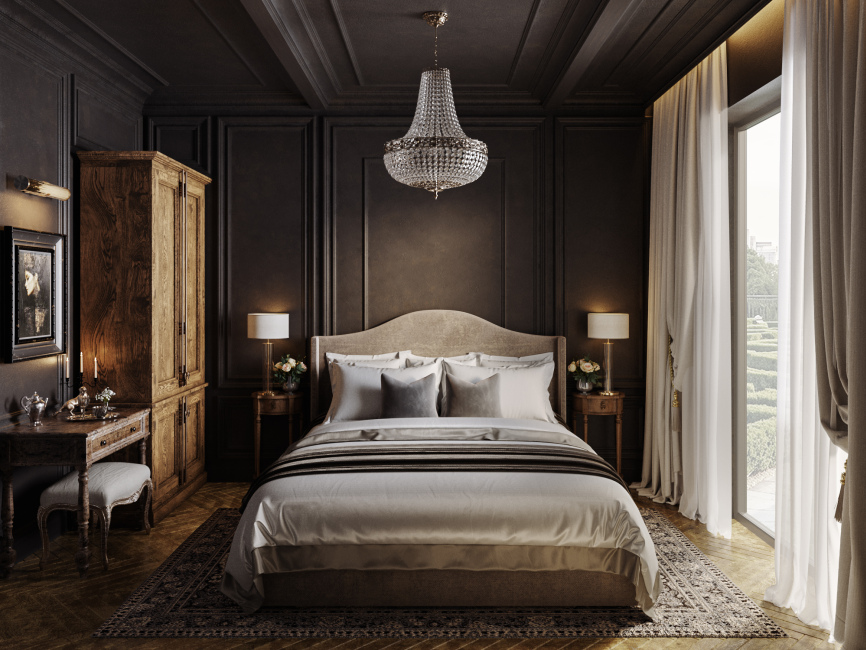
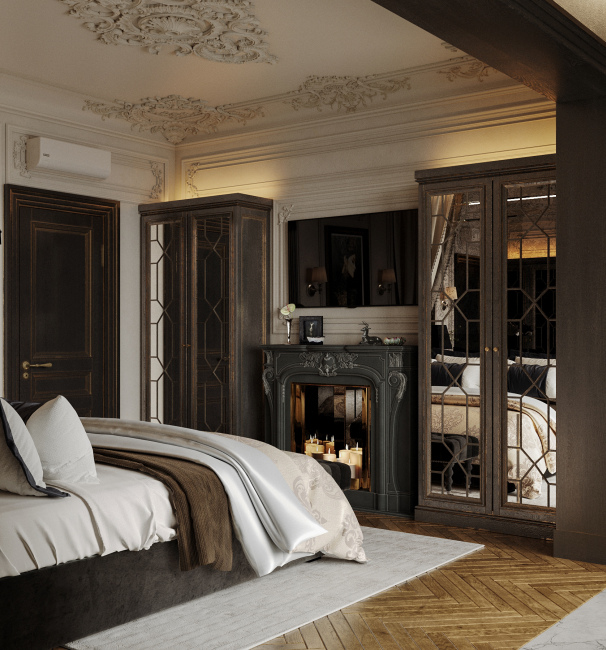
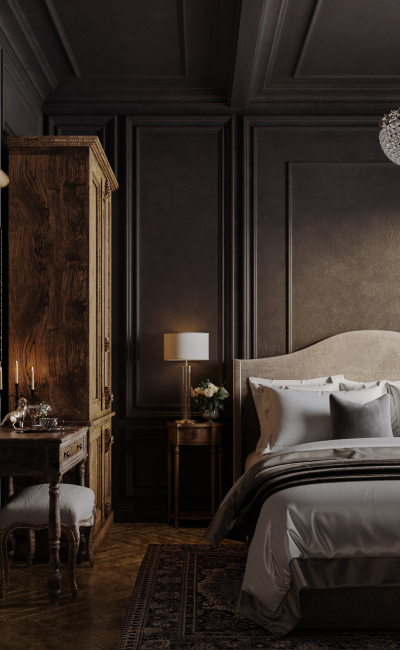
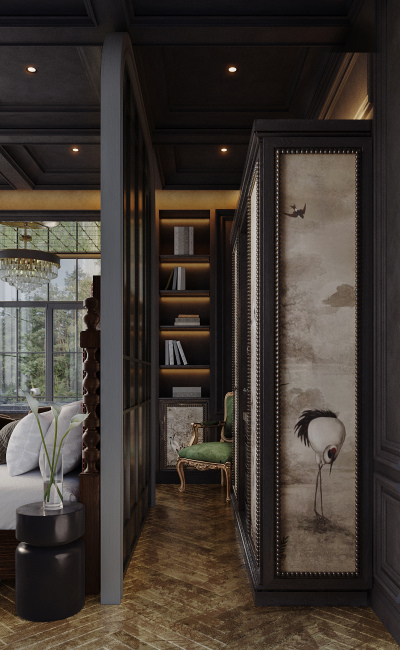
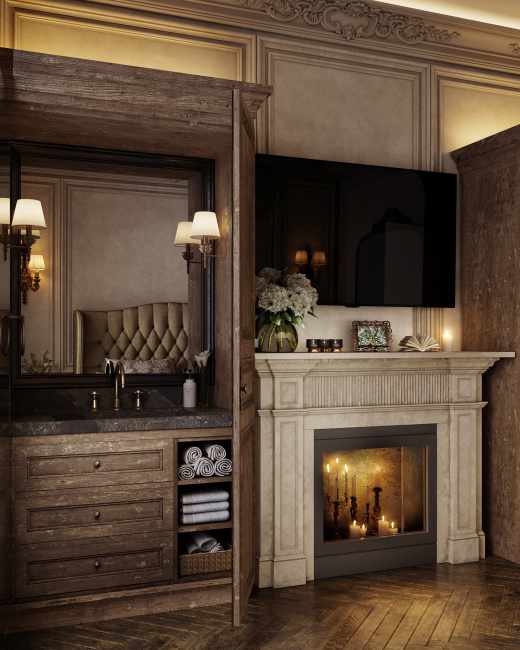
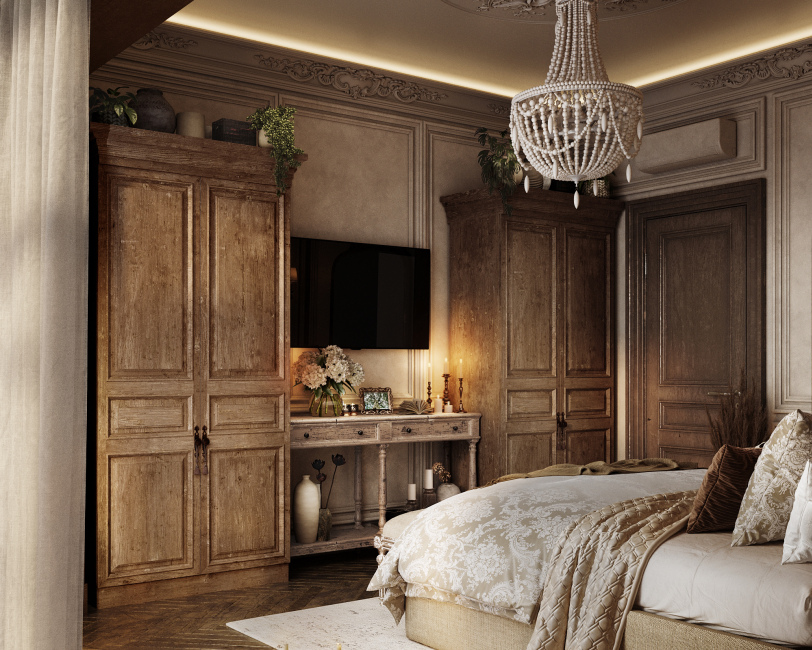
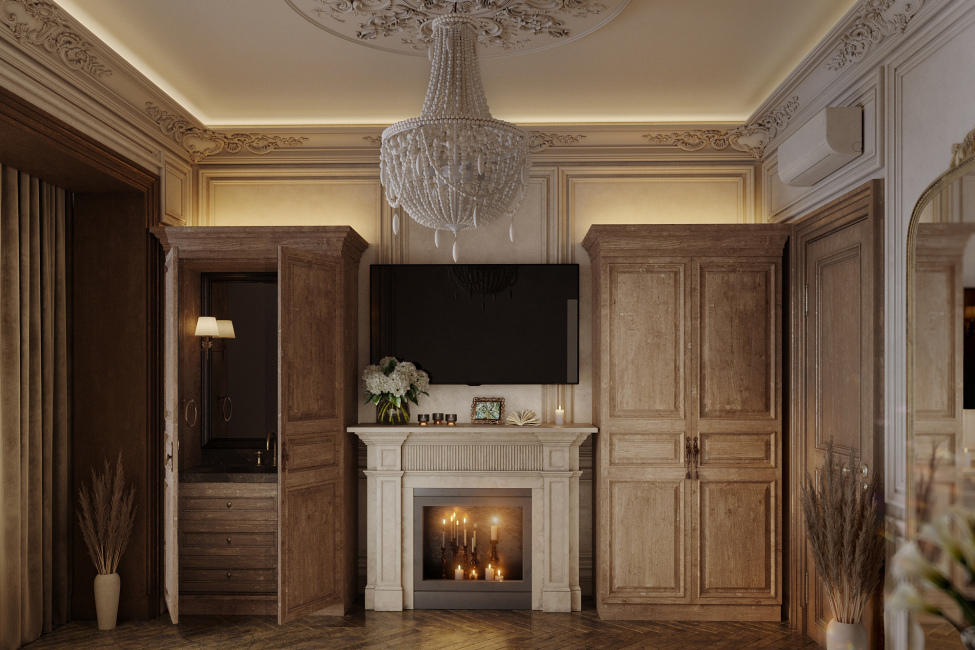
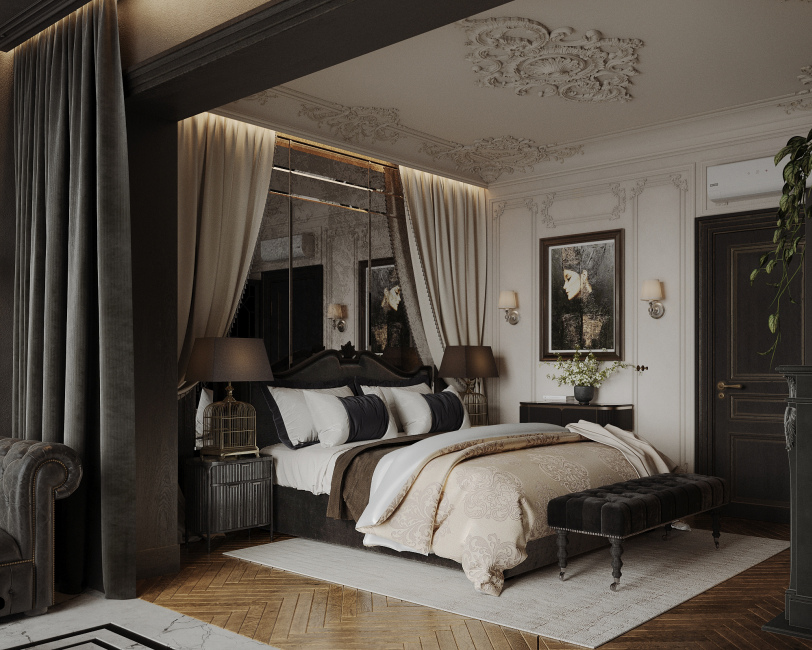
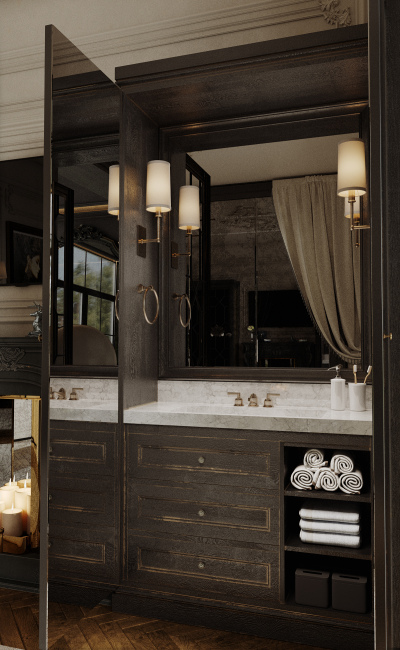
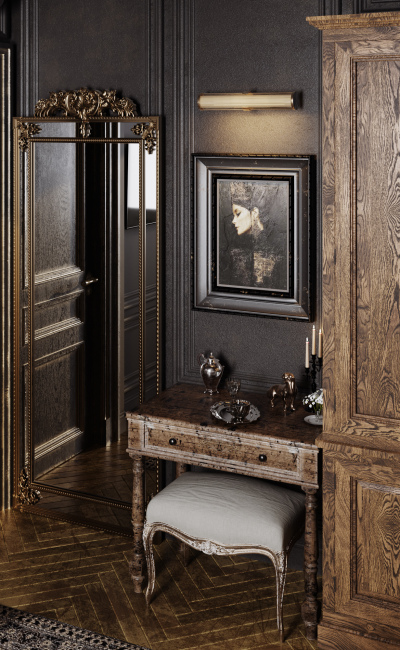
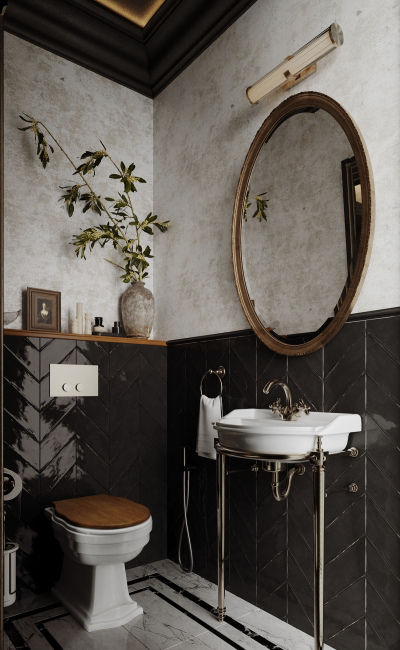
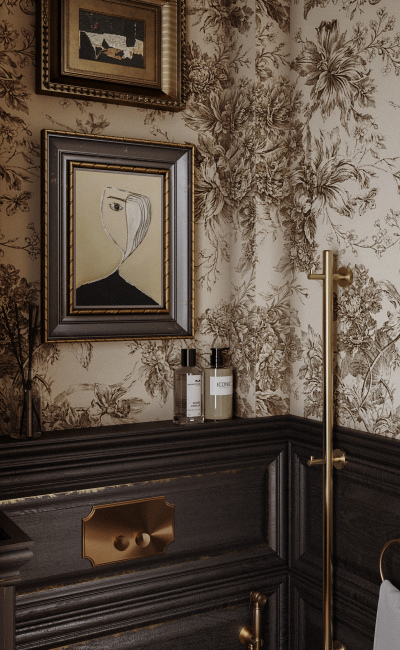
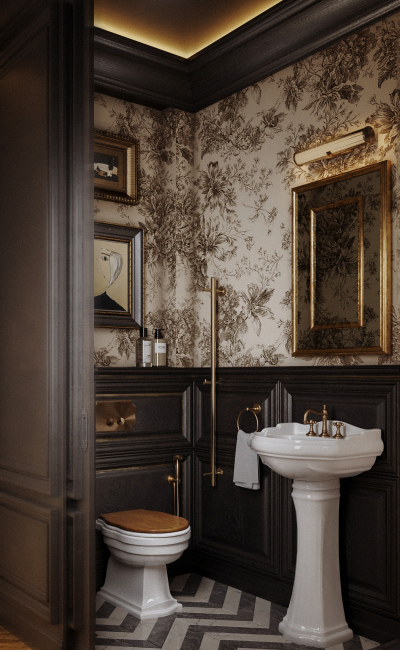
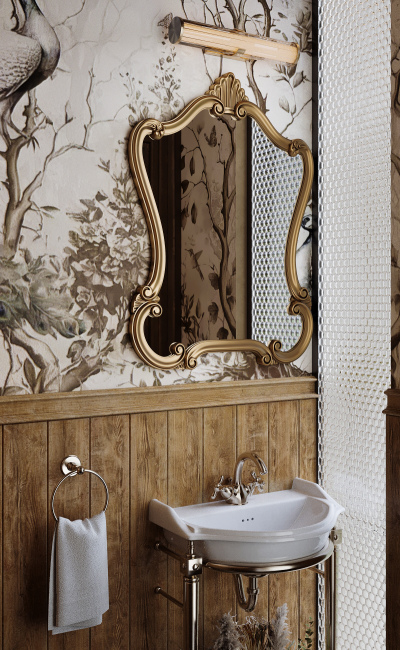
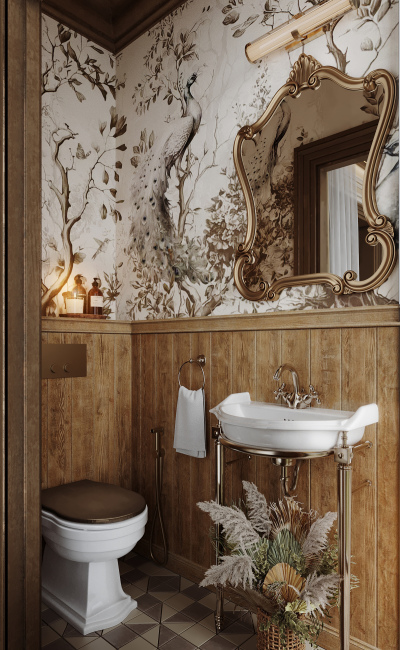
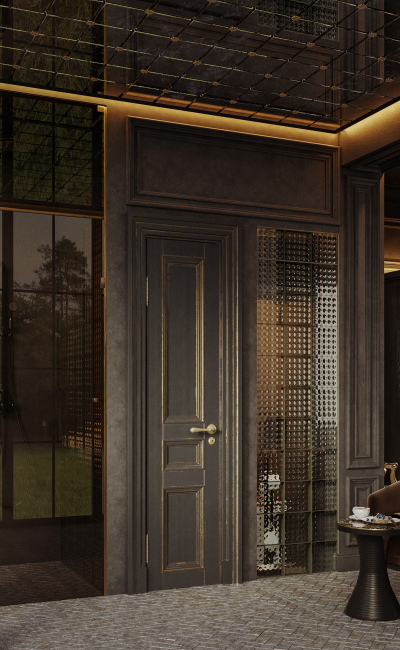
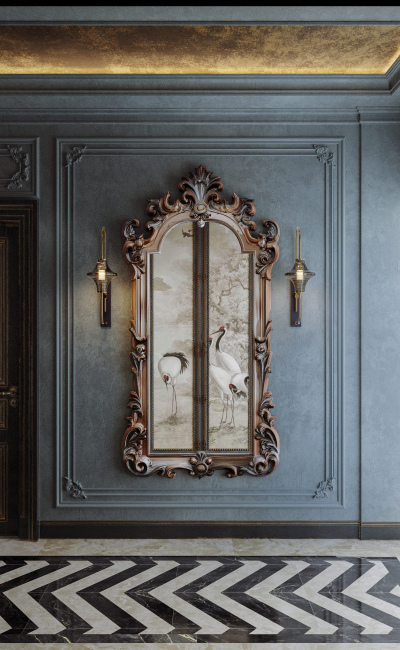
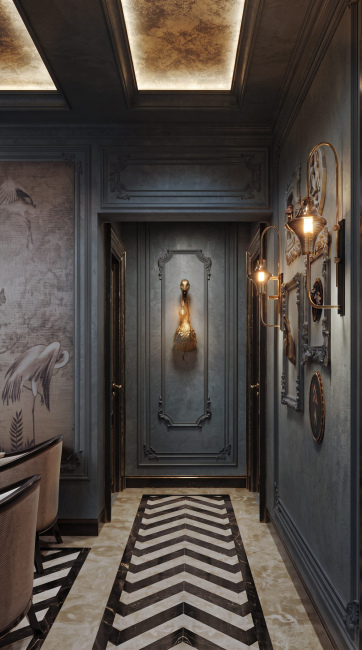
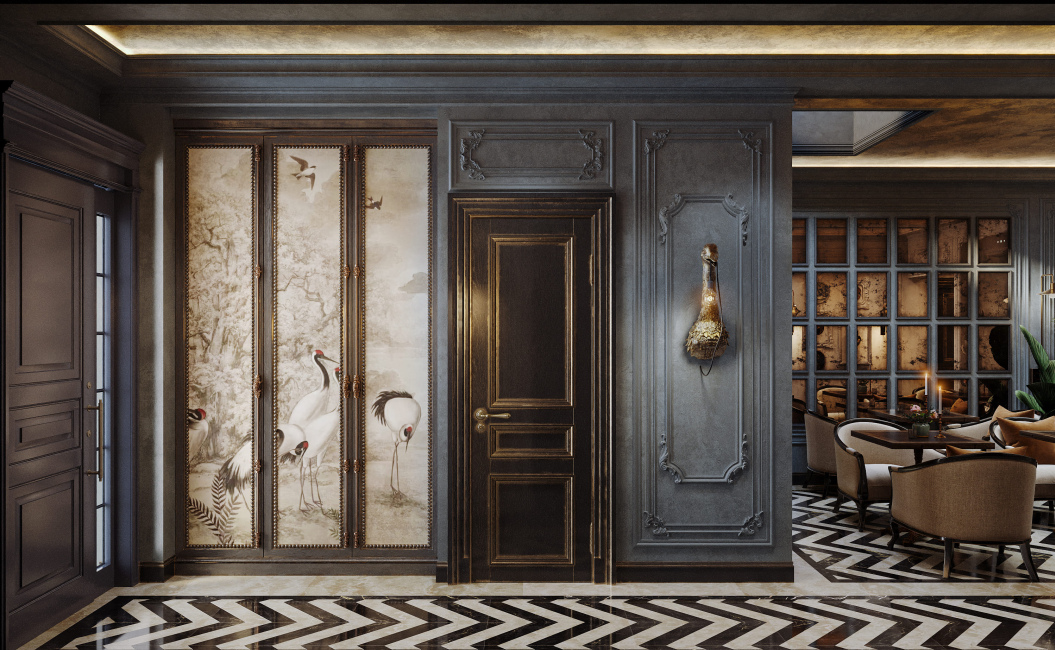
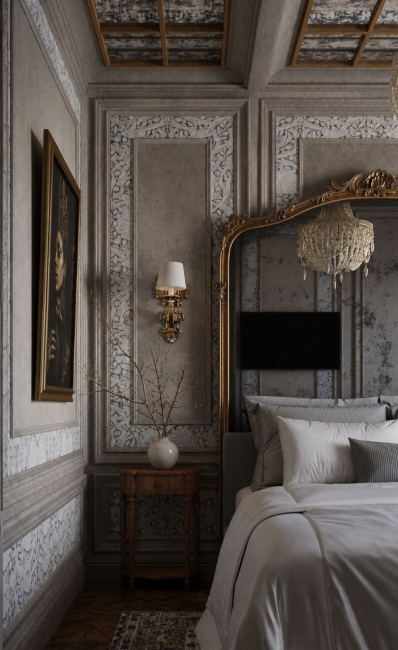
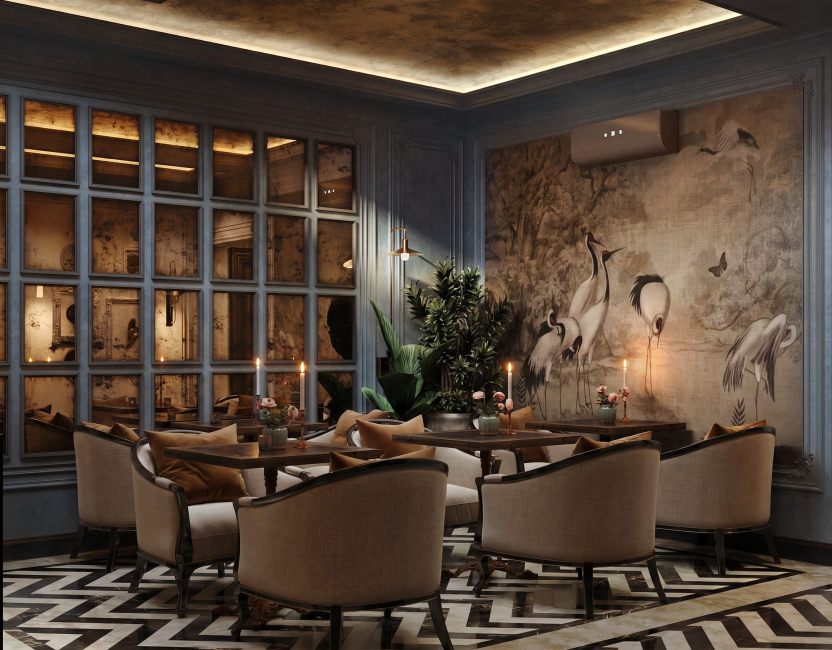
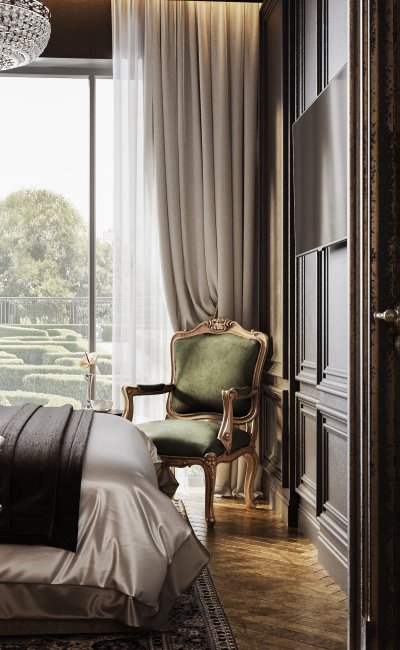
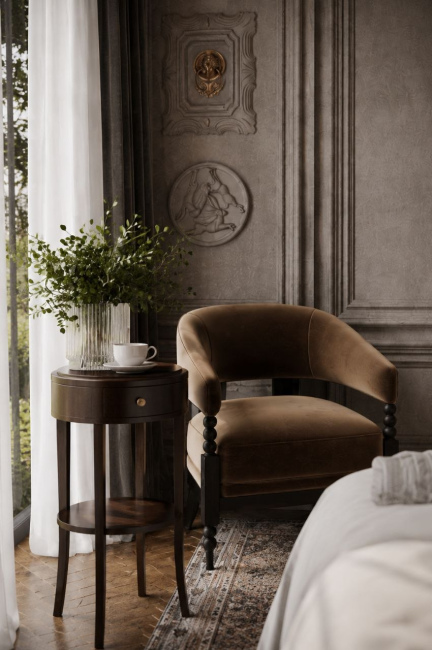
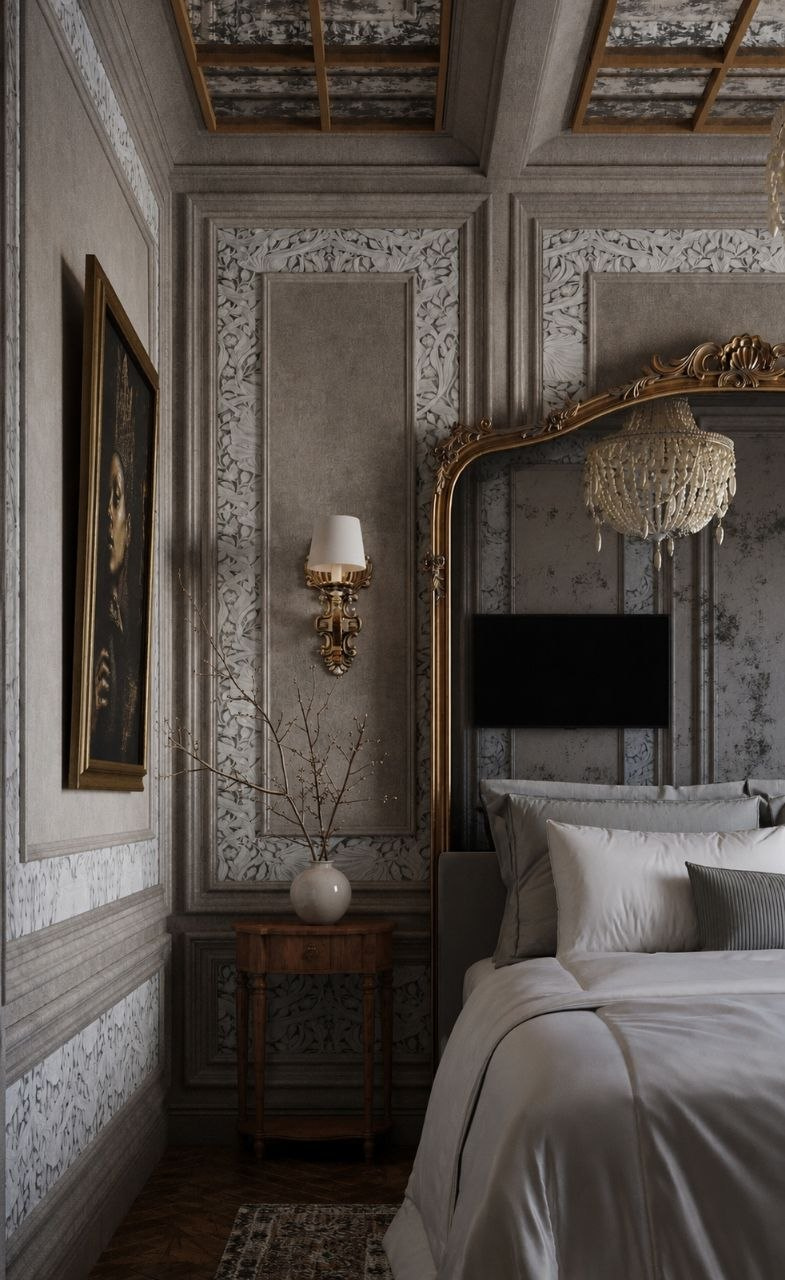
Each space was designed with a distinct atmosphere and emotional tone. Some rooms feel calm and understated, others more expressive - but all are united through a cohesive design language.
This is the essence of boutique hotel interior design: not repetition, but individuality.
To create a truly memorable and timeless environment, Yuliya Forrest developed a refined design concept combining:
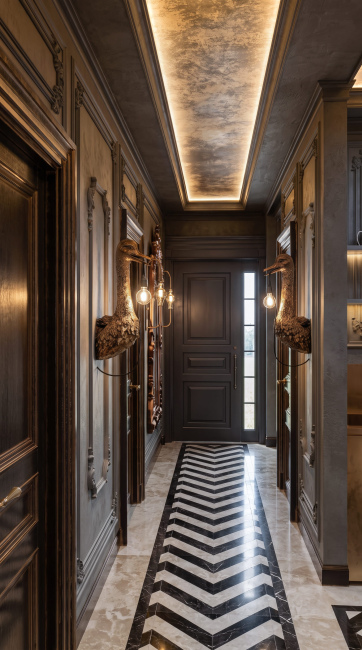
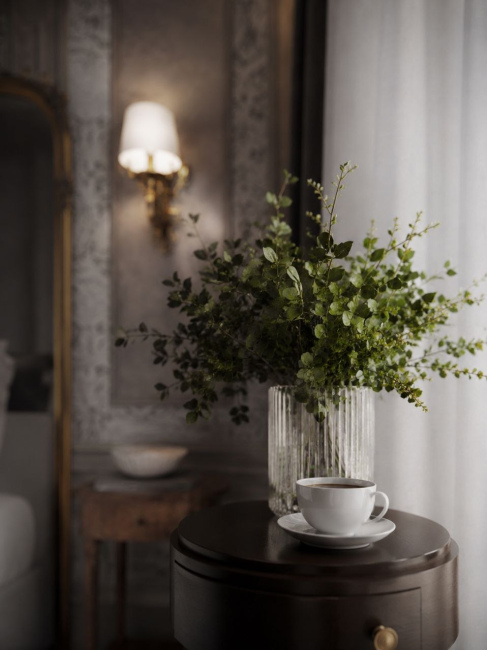
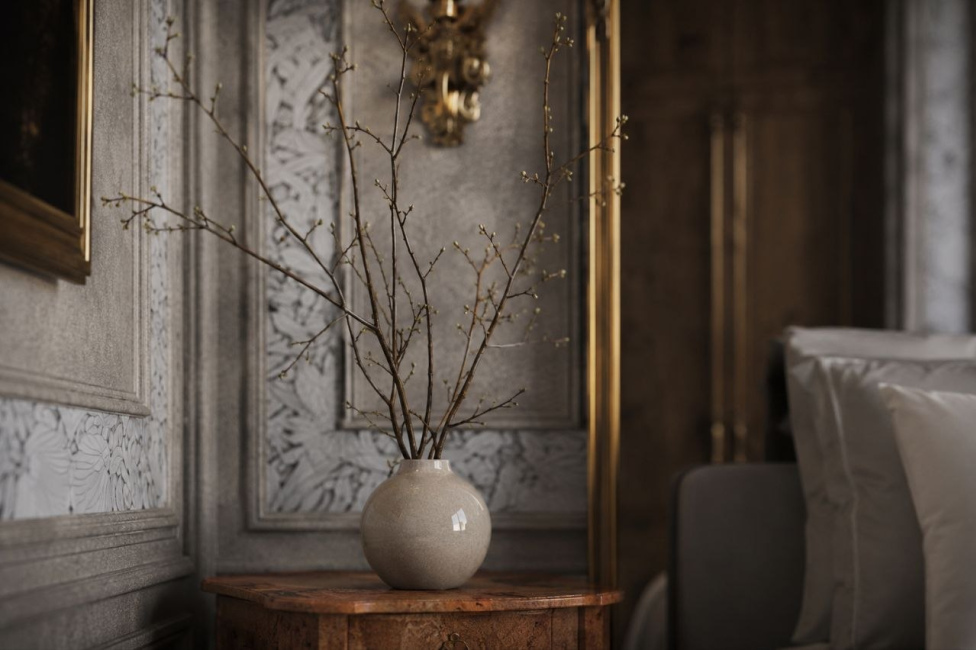
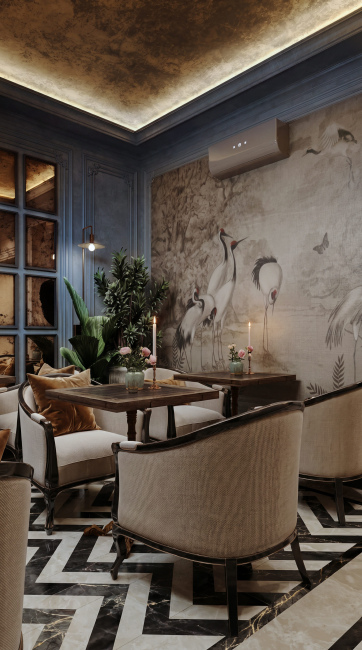
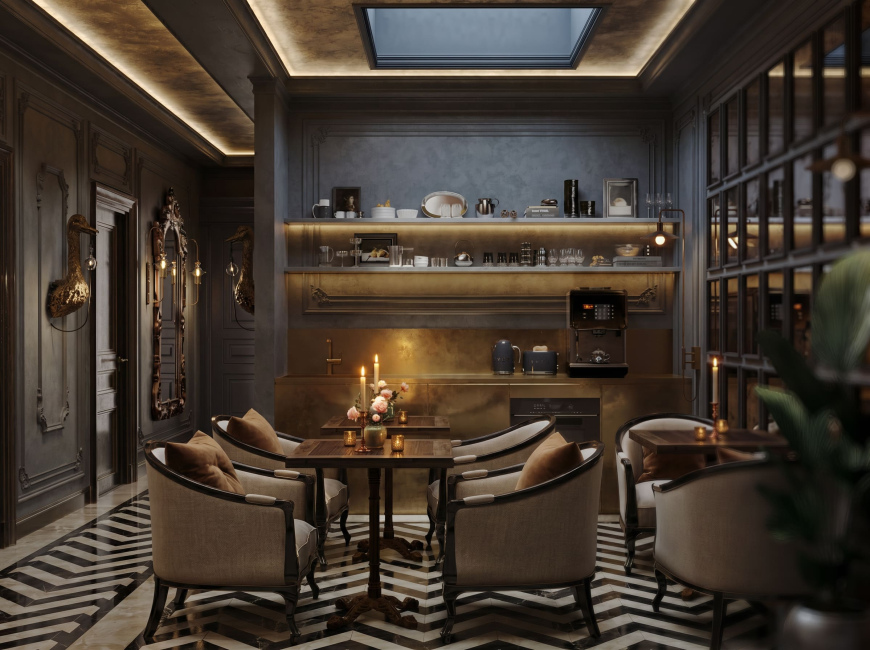
This combination creates interiors that feel elegant yet relaxed, curated rather than staged - a key principle in luxury hotel interior design.
In boutique hospitality, it is often the unexpected details that leave the strongest impression.
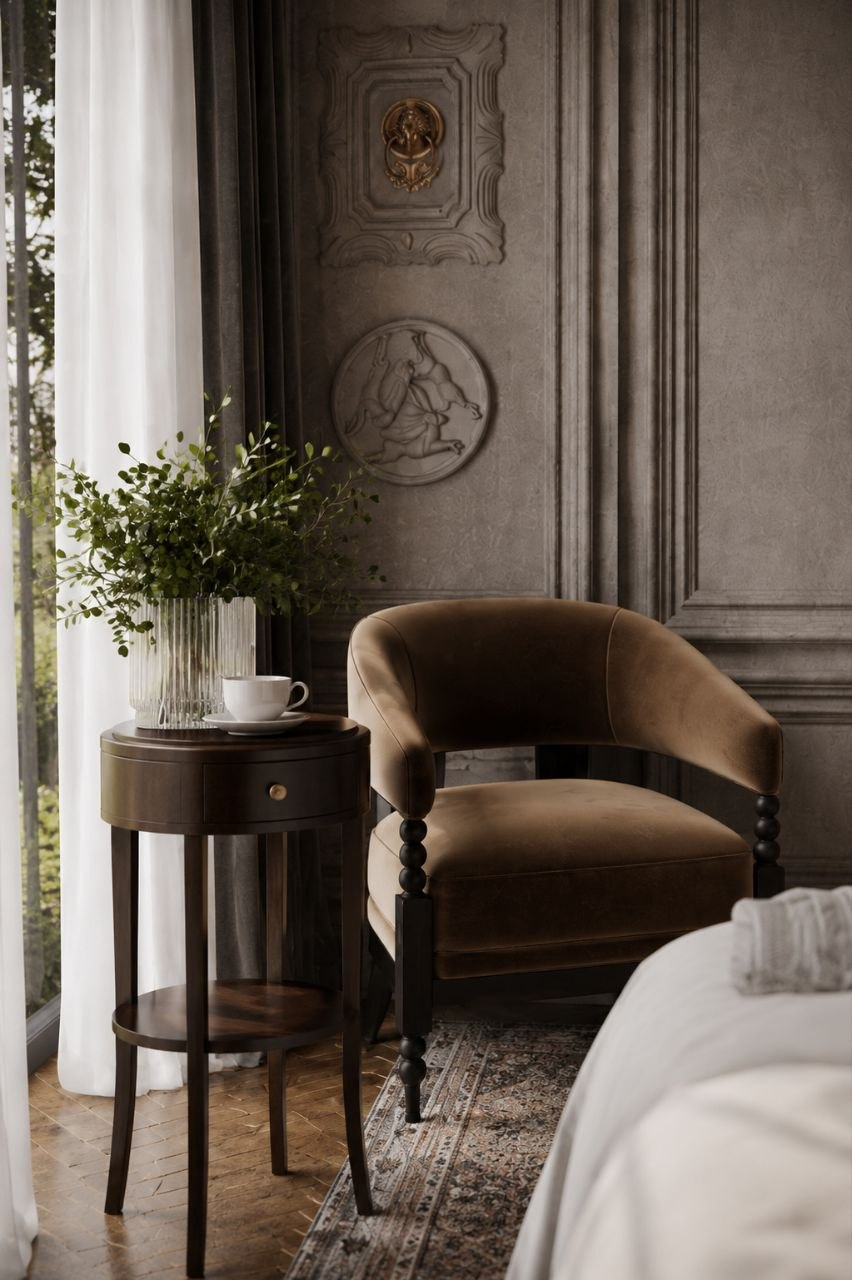
“If a room doesn’t make you pause for a moment — it’s not a boutique experience.”
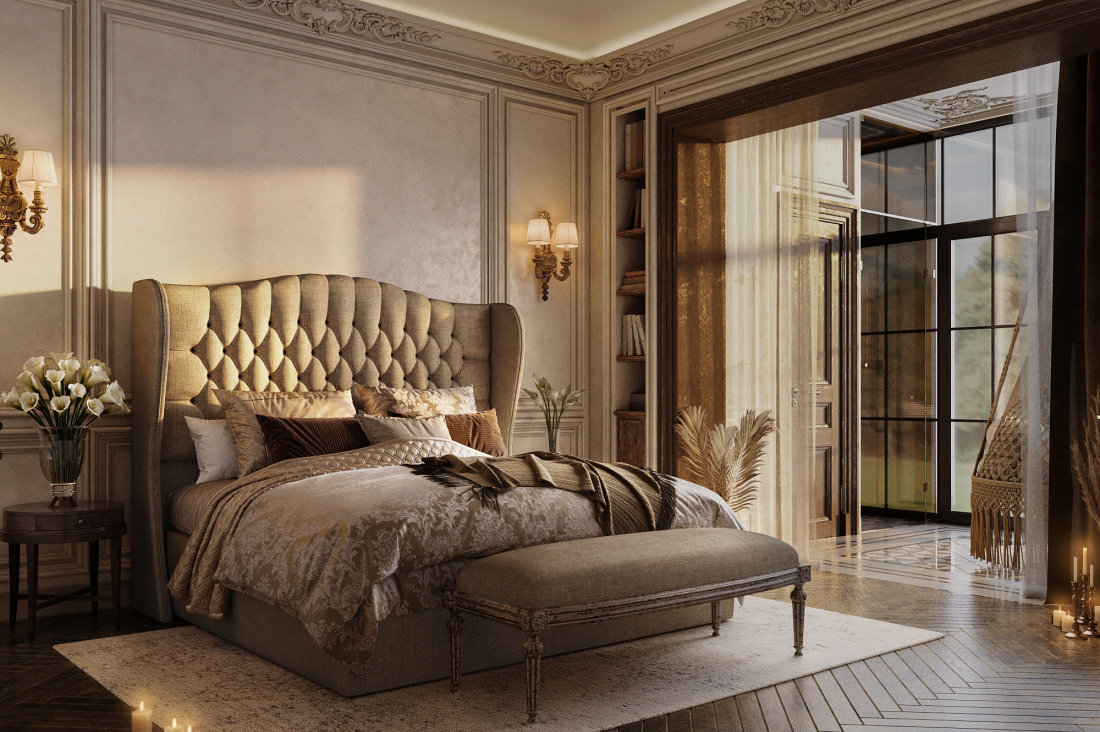
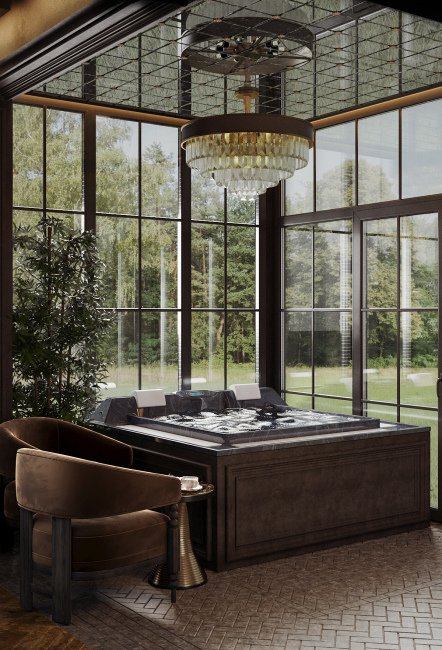
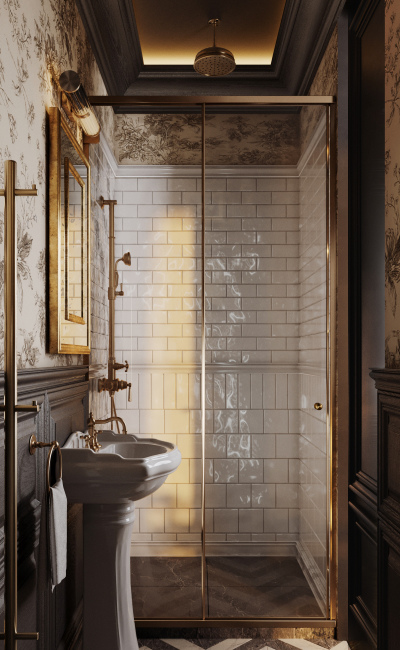
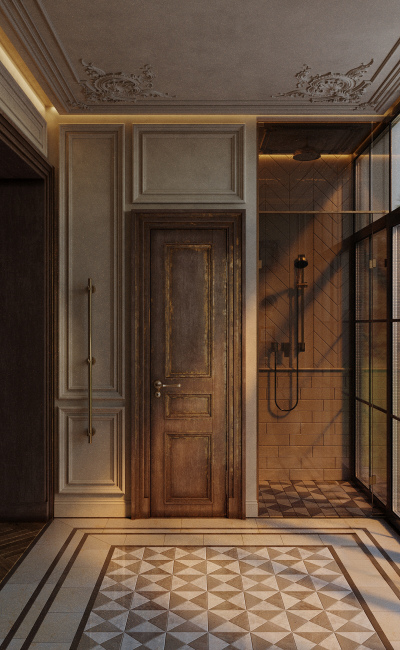
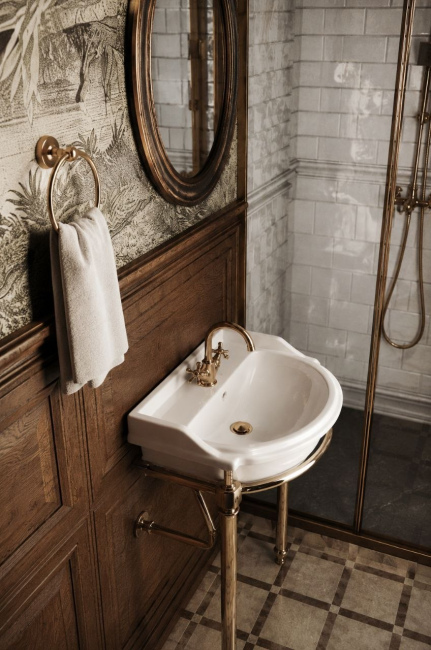
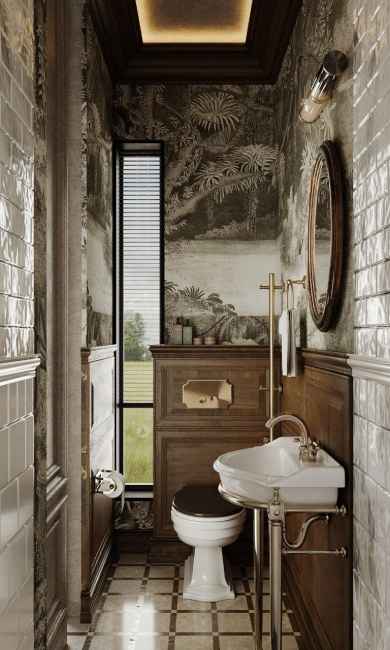
One of the more distinctive design features in this project was the introduction of bathrooms with windows facing the surrounding landscape. Guests can enjoy views of the garden even while showering — an experience that connects the interior with nature in a subtle and memorable way.
To ensure complete privacy, a combination of mirrored window film and carefully designed lighting was used. From the outside, visibility is fully controlled, while inside, the space remains open, bright, and connected to the outdoors — without the need for heavy curtains.
These kinds of solutions reflect a deeper level of hotel interior design thinking, where comfort, privacy, and experience are considered together.
This boutique hotel is designed for a more discerning audience, with rooms positioned at a premium level.
The goal is not simply accommodation, but transformation — a place where guests can fully disconnect, reset, and immerse themselves in a different atmosphere.
In projects like this, design plays a direct role in value.
Guests are not just paying for a room — they are paying for how the space makes them feel.
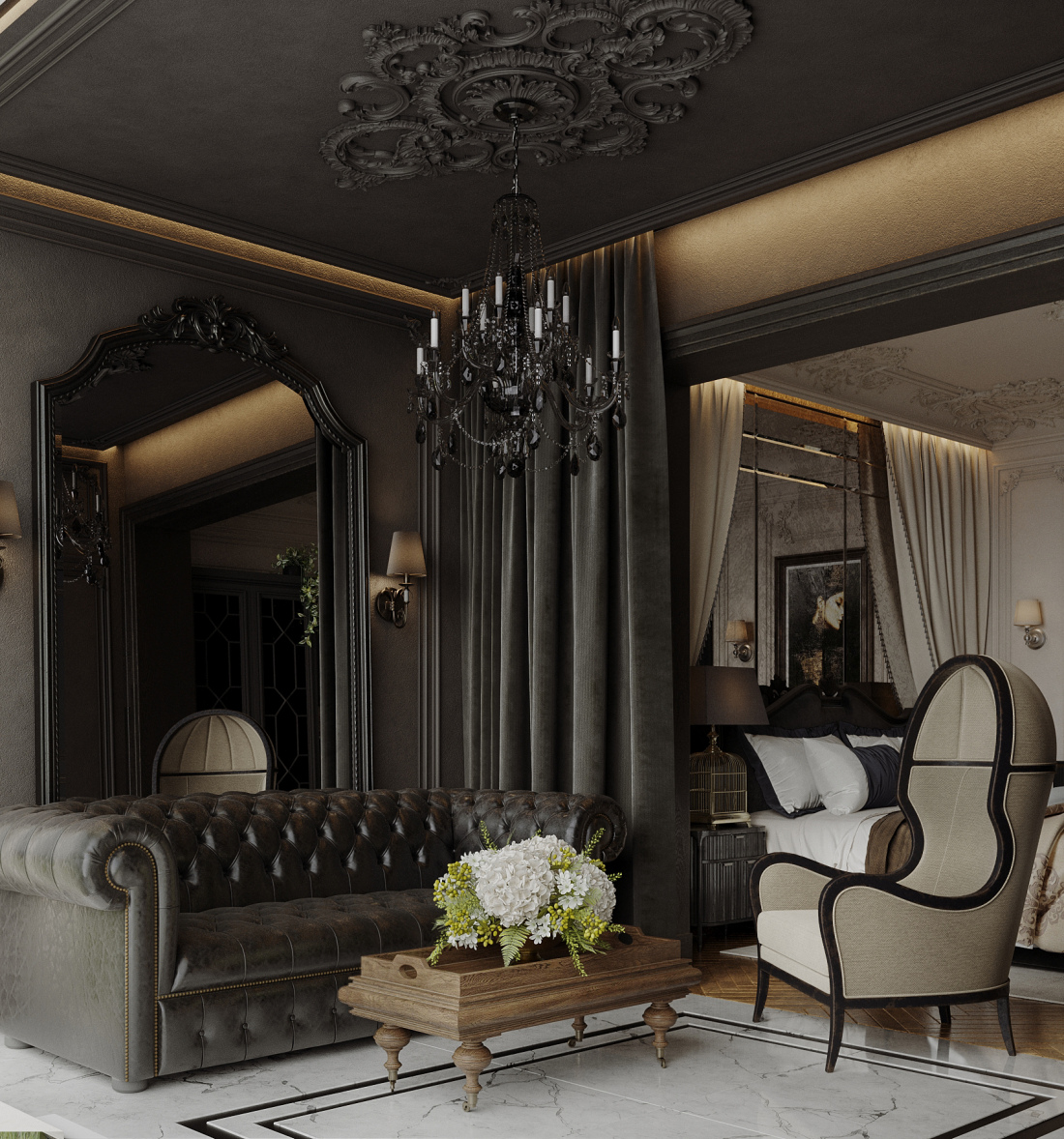
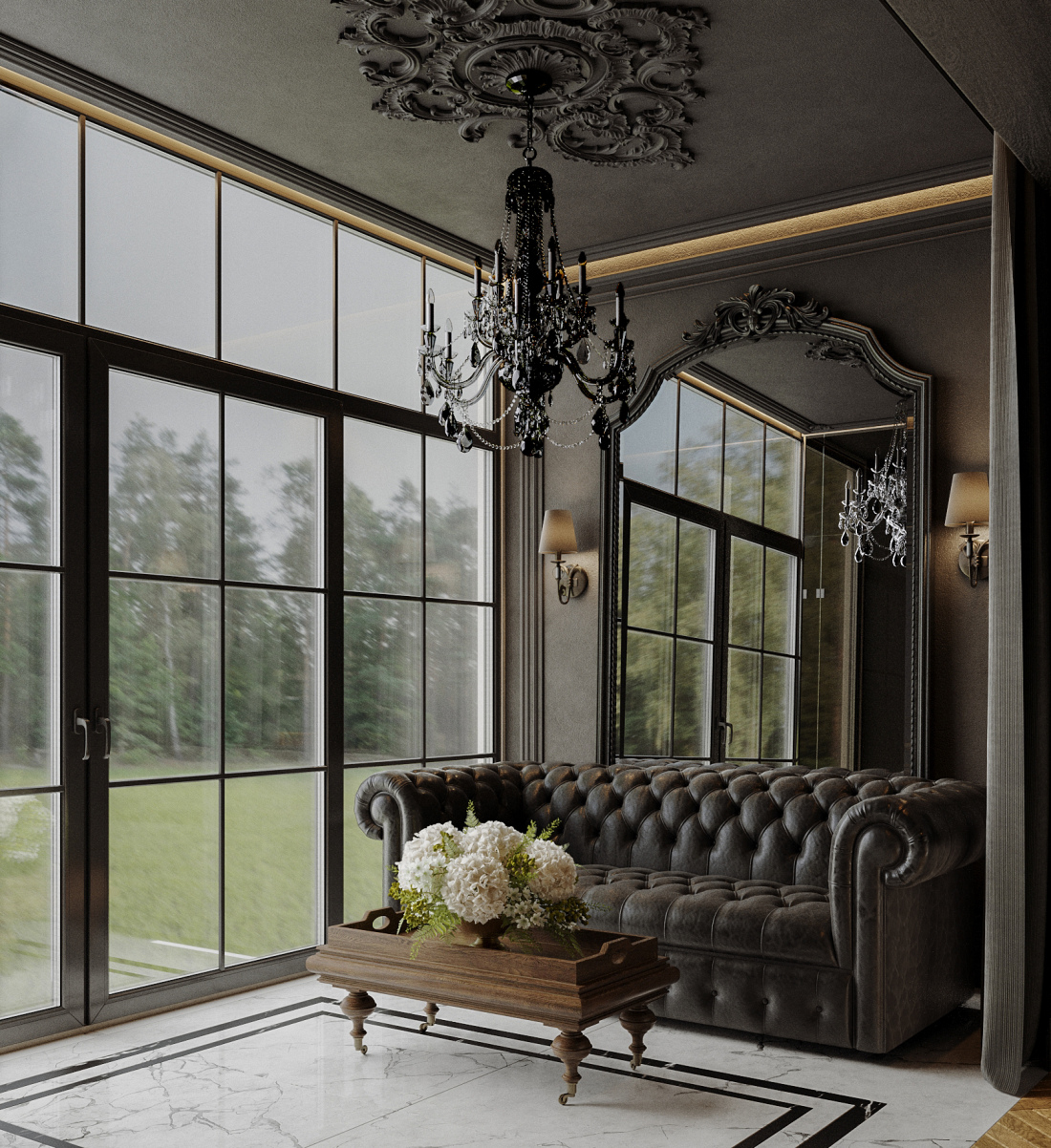
Results
The result is a boutique hotel with a clear identity and no direct comparisons in the region.
It is not designed to appeal to everyone - and that is exactly what makes it successful.
Boutique hotels of this kind naturally attract their audience:
those who appreciate design, atmosphere, and a sense of place.
And ultimately, this is what defines truly successful boutique hotel design -
not size, but character.