

Design Trends
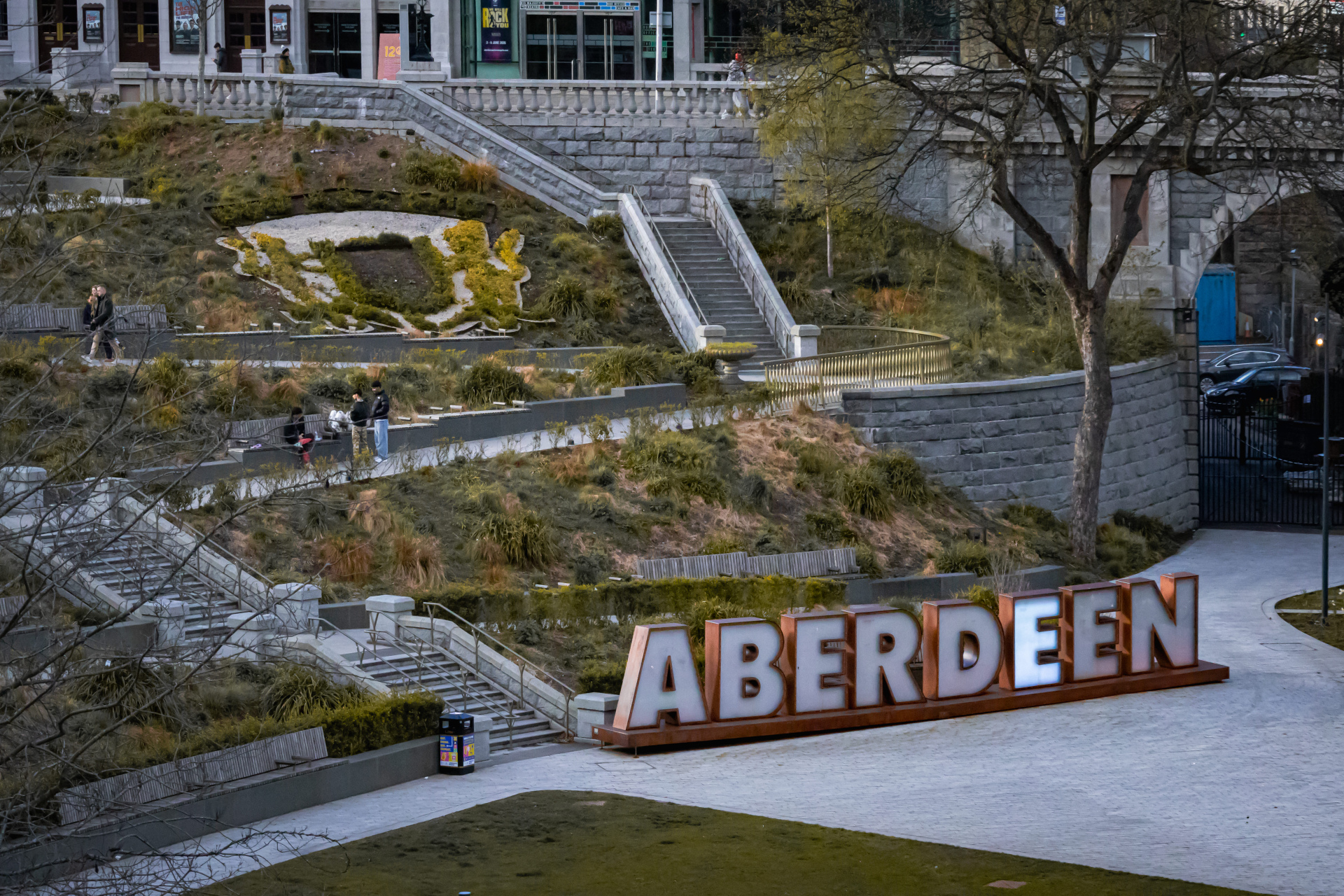
Aberdeen is known for its striking granite architecture, dramatic coastline — and, inevitably, its grey skies. With fewer daylight hours than most parts of the UK, natural light becomes something to work with carefully rather than take for granted.
In homes across Aberdeen and Aberdeenshire, creating a bright and comfortable space is not simply about aesthetics. It has a direct impact on how a home feels to live in every day.
Whether working with a traditional granite property, a period home, or a contemporary build, thoughtful interior design in Aberdeen can significantly maximise natural light and help brighten your home, even on overcast Scottish days.


The challenge lies not only in the number of daylight hours, but in the quality of light itself.
At this northern latitude, the sun sits lower in the sky, which limits how deeply light enters interiors. Combined with frequent cloud cover, many homes in Aberdeen experience reduced natural light, particularly during autumn and winter.
However, this soft, diffused light is also one of the defining characteristics of Scottish design. When used correctly, it creates calm, balanced and refined interiors.
Any strategy to maximise natural light begins with glazing.
Modern slim-framed window systems allow more daylight into the home compared to traditional frames. This can make a noticeable difference in low-light homes, especially in granite buildings where window openings may already be limited.
Low-iron glass improves clarity and allows more natural light to pass through. This is particularly beneficial in Aberdeen, where every increase in light transmission matters.
Triple glazing remains essential for thermal comfort in Scotland. High-quality systems are designed to balance insulation with strong daylight performance, making them ideal for homes across Aberdeenshire.


Natural light is influenced as much by positioning as by window size.
South-facing rooms tend to receive more direct daylight, while east-facing spaces benefit from softer morning light. North-facing rooms, often underestimated, provide consistent and even lighting — particularly useful in home offices.
In many home interior design projects in Aberdeen, rooflights are used to introduce additional daylight. Due to the low sun angle, overhead glazing often performs better than expected.
Once light enters the home, the interior determines how effectively it is used.
Lighter colour palettes help reflect light, but the goal is not to create cold or overly minimal spaces. Warm neutrals, soft greys, and muted natural tones tend to work best in traditional Scottish homes as well as modern interiors.
Finishes also play an important role. Slightly reflective surfaces help distribute light more evenly, while completely matt finishes can make spaces feel flatter in darker conditions.

“If the goal is to make a room feel lighter, it’s never about one single decision — it’s always a combination of elements working together.
Colour and materials are important, but so are mirrors, layout, and lighting. In Aberdeen, where even daytime can feel quite dim, artificial lighting becomes just as important as natural light. It needs to be soft, warm, and comfortable.
There are also visual techniques that can make a space feel lighter — for example, subtly increasing the perceived ceiling height. This changes how the room is experienced, even without physically adding more light.
And of course, the area around windows should always be carefully planned. It can either support natural light — or block it completely.”
One of the most effective natural light solutions is reflection.
Mirrors can help carry daylight further into a room, particularly when positioned opposite or near windows. This is especially useful in hallways and deeper layouts, which are common in period properties.
Other reflective elements — such as glass surfaces, metallic finishes, and certain types of cabinetry — can also support light distribution without overwhelming the design.


Furniture has a direct impact on how light moves through a space.
Raised furniture allows light to pass underneath, while lower-profile pieces help maintain open sightlines. Transparent or open structures prevent the room from feeling heavy.
This is particularly important in apartment interior design in Aberdeen, where space and light are often more limited.
Many homes in Aberdeen feature traditional granite architecture or period details, which can be both a challenge and an advantage.
Tall windows and generous ceiling heights provide excellent potential for natural light, but heavy curtains or oversized window treatments can reduce this effect.
Keeping window areas visually open and allowing light to travel freely can significantly improve the overall brightness of the home.
In some cases, internal glazing between rooms can help distribute light more effectively without altering the character of the property.

When renovation or extension is possible, the impact on natural light can be substantial.
Introducing larger glazed areas, reconfiguring layouts, or adding rooflights can transform how light behaves within a home. In deeper floor plans, bringing light into the centre becomes a key design strategy.
In interior design projects across Aberdeenshire, these structural changes often make the biggest difference to overall brightness.
Even with the best natural light strategies, artificial lighting remains essential in Aberdeen.
A well-designed lighting scheme should combine ambient, task, and accent lighting. Daylight-style lighting works well for functional areas, while warmer tones create a more relaxed atmosphere in the evening.
Good lighting design ensures that a home feels comfortable at any time of day — not just when natural light is available.


For those not planning a full renovation, small changes can still make a noticeable difference.
Cleaning windows regularly, reducing heavy window treatments, repositioning furniture, and adding mirrors are all effective ways to brighten your home.
Even subtle adjustments can improve how natural light is experienced within the space.

In Aberdeen and across Aberdeenshire, interior design is closely connected to how natural light is used within the home.
From traditional granite properties to modern developments, understanding how to maximise natural light is essential for creating spaces that feel balanced, comfortable, and well-designed.
Working with an experienced interior designer in Aberdeen ensures that both natural and artificial lighting are considered together — resulting in interiors that feel bright and liveable throughout the year.
Photos by Natalija Janse van Vuuren
Instagram @ladylensart